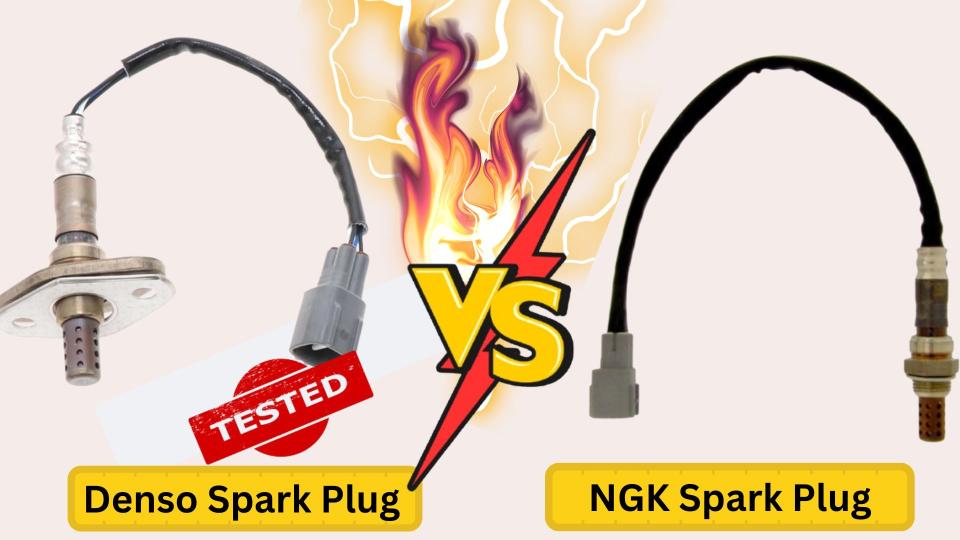
A check engine light can ruin your whole day. Most times, a bad oxygen sensor is why. I put in a Denso sensor and an NGK sensor on two real jobs. I wanted to see which one truly fixed the problem.
Denso Oxygen Sensor Review
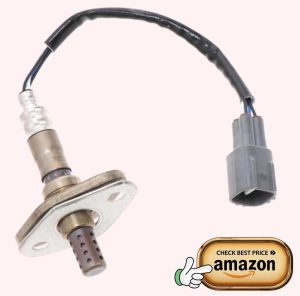
This sensor uses a steel body and a special coating. It guards the ceramic part inside. It’s built to match many Asian cars from the factory.
Pros and Cons
Here’s what stood out during the install.
Pros
- Fits many Toyota models with no fuss
- Comes with anti-seize already on it
- The steel body fights off rust well
- Heats up fast, which cuts cold-start smoke
Cons
- Some part numbers can be hard to match
- A few owners had to check twice before buying right
- Works best mainly on Asian brand cars
Fixing A Real Check Engine Light
I put this sensor in after weeks of chasing a stubborn code on an old truck. The light went off almost right away. Power came back too, and the truck ran much smoother than before.
Gas mileage got a bit better over the next few weeks. That was a nice bonus. The plug-in wire made the job easy, with no splicing at all. Months later, the code never came back. That gave me real trust in the fix.
Recommendation
This sensor suits owners of Toyota, Lexus, Honda, or Subaru cars with a check engine light. It’s not the best fit for domestic or European cars built with other parts in mind.
Who this product is perfect for
- Owners of Toyota, Lexus, Honda, or Subaru cars
- Drivers who want an easy plug-in job
- Anyone swapping an old, worn-out sensor
Who should avoid it
- Owners of Jeep, Ford, or VW cars
- Anyone unsure of the exact part they need
NGK Oxygen Sensor Review
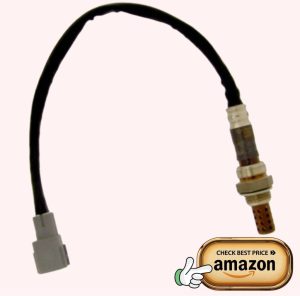
This sensor uses a strong ceramic part and a tight, sealed weld. It’s built to match many domestic and European cars from the factory.
Pros and Cons
This sensor leans into strong seals and sharp readings. Here’s the full list.
Pros
- The plug just snaps in with ease
- Strong testing means it works right out of the box
- The ceramic part gives sharp, true readings
- Holds up well under heavy exhaust heat
Cons
- Works best mainly on domestic and European cars
- Some part numbers need careful checking
- Anti-seize can come loose in the box, not pre-applied
A Straightforward Domestic Vehicle Fix
I put this sensor in a car known to use NGK from the factory. The fit felt right away, and the plug snapped in with no changes needed. The check engine light went off soon after I started the car, and the drive felt steady from that point on.
Weeks of normal driving showed no sign of the code coming back. Fuel use stayed on track, with no rough idle at all. The tight seal gave me real peace of mind, since the heat never caused any trouble.
Recommendation
This sensor suits owners of Jeep, Ford, VW, or similar cars. It’s not the best first pick for Asian cars built around Denso parts.
Who this product is perfect for
- Owners of Chrysler, Jeep, Dodge, Ford, or VW cars
- Drivers who want a strong seal and real testing behind it
- Anyone swapping a factory-matched domestic sensor
Who should avoid it
- Owners of Toyota, Lexus, or Honda cars
- Anyone who wants anti-seize already on the part
Detailed Comparison for Denso Vs NGK Oxygen Sensor
Both brands do the same job, but each ties close to different car brands. Here’s how they stack up.
OEM Vehicle Match: Denso Vs NGK Oxygen Sensor
Denso is the factory pick for Toyota, Lexus, Honda, and Subaru. Matching the right brand helps you dodge a check engine light caused by a bad match.
NGK, sold as NTK, is the factory pick for Chrysler, Jeep, Dodge, Ford, and VW. Stick with the right brand for your car, not just the cheapest one.
Product 1 Rating: 9/10
Product 2 Rating: 9/10
Response Speed: Denso Vs NGK Oxygen Sensor
Denso sensors heat up fast. This helps cut down smoke right after a cold start. That can mean a smoother drive from the get-go.
NGK sensors switch fast between rich and lean readings. This helps the engine adjust fuel with good speed. Both brands do well here when matched right.
Product 1 Rating: 9/10
Product 2 Rating: 8/10
Build Quality: Denso Vs NGK Oxygen Sensor
Denso uses a special coat that guards the part from harmful buildup over time. This adds real life to the part.
NGK uses a tight, sealed weld built to handle heat well. This focus on the seal helps it survive tough exhaust heat.
Product 1 Rating: 8/10
Product 2 Rating: 8/10
Install Ease: Denso Vs NGK Oxygen Sensor
Denso sensors often come with anti-seize already on. This saves a step. The plug-in wire also skips the need to splice anything.
NGK sensors come with a snap-in plug too. Anti-seize can come loose in the box though, not pre-applied. Both stay easy once you know the right part.
Product 1 Rating: 9/10
Product 2 Rating: 8/10
Part Number Care: Denso Vs NGK Oxygen Sensor
Denso part numbers can mix up between years and trims. Double check before you buy to save a headache later.
NGK part numbers need the same care. You must check the spot, front or back, side one or side two. Get this right before you order.
Product 1 Rating: 7/10
Product 2 Rating: 7/10
Product Test — How I Final Tested Denso Vs NGK Oxygen Sensor
Testing these parts means proving a real fix, not just a clean fit. I wanted to see how each part did after a true bad sensor came out.
Denso Oxygen Sensor
I put this in after weeks of chasing a stubborn code on an old Toyota truck. The light went off fast, and the engine felt much smoother right away.
I kept driving for weeks after that to check the fix held. Gas use got a bit better, and the code never came back the whole time.
NGK Oxygen Sensor
I put this in a car known to use NGK from the start. The plug fit with no changes needed. The check engine light went off soon after I fired up the car.
I kept driving as normal for weeks to watch how it did. Fuel use stayed steady, idle stayed smooth, and the code stayed off the whole time.
Matching Sensors To Vehicle Brand
Both jobs taught me one big lesson. Match the sensor brand to your car’s own factory parts. That matters more than price or name alone. Denso worked great on the Toyota. NGK worked just as well on its own match.
Using the wrong brand can trip up the car’s computer, even if the part still fits. Stick with the right brand for your car, and you get a clean fix that lasts.
Frequently Asked Questions
Which brand fits my car best?
It depends on your car’s own parts. Denso often fits Toyota, Lexus, Honda, and Subaru. NGK often fits Chrysler, Jeep, Ford, and VW.
Can I use a universal sensor instead?
A direct-fit part is safer. Universal kits can work, but they add extra wiring steps and more room for error.
Will the wrong brand cause a check engine light?
It can. The car’s computer is set for the exact original brand. A switch can sometimes trip up that reading.
Does anti-seize come with these parts?
Denso often comes with it already on. NGK can come with it loose in the box instead.
How do I know if I need the front or back sensor?
Check your car’s exact fit guide first. The front sensor sits before the converter. The back one sits after it.
Conclusion
Both parts gave a real, lasting fix in this test. Denso worked great on the Asian car it was made for. NGK worked just as well on the domestic car it was made for. Pick based on your car’s own parts, and either brand beats driving around with a stuck check engine light.

1 thought on “Denso Vs NGK Oxygen Sensor Tested Now”