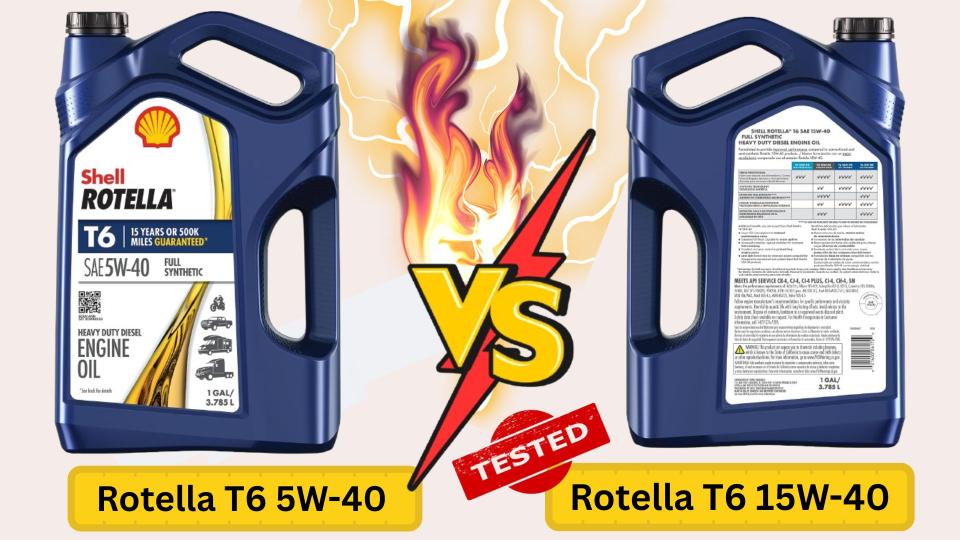
Choosing between Rotella T6 5W-40 vs 15W-40 mostly comes down to cold starts, climate, and what your engine allows.
I compared their viscosity, cold-weather use, specs, and real-world driving needs to see where each grade makes sense.
Both are SAE 40 when hot, but the 5W grade flows better when cold, so this guide will help you choose the right one for your engine and driving conditions.
Who This Product Is Best For
Rotella T6 5W-40 is a good fit for diesel trucks and other engines that call for a 5W-40 oil. It can also suit drivers who face cold starts and then run the engine at high heat. For U.S. drivers, it can be useful in areas with cold winters and hot summers.
It is less useful if your vehicle calls for a different oil grade or a specific OEM oil approval. Always check the owner’s manual first.
Is Rotella T6 5W-40 Good?
Yes, Rotella T6 5W-40 is a solid diesel oil when 5W-40 is allowed for your engine. The test results in the supplied video also show that it can work well in a 3.0L Duramax LM2. The oil sample had some rise in aluminum and iron, but Blackstone said the change was normal. Iron was still less than half the level seen in an average 3.0L Duramax engine.
The test also found less silicon. That gave the owner more reason to rule out extra dirt getting past the air filter. The oil still had active additives left, based on the TBN result.
The test was done after about 52,000 miles on the truck. The earlier test used 5W-40 when the truck had about 35,000 miles. The owner then compared the 5W-40 results with an earlier 5W-30 sample.
The 5W-30 looked a little better in that comparison. Still, the 5W-40 sample looked healthy. The owner also noted that the truck had changed from more highway use to many short trips and cold starts. That makes a direct oil-to-oil comparison less clear.
For the test shown, Blackstone said the oil could likely run for 8,000 miles. The owner chose 6,000 miles instead. That choice also gave him more chances to check the truck.
What I Like
- Good cold flow: The 5W rating can help the oil flow well during cold starts.
- Strong heat protection: Once warm, 5W-40 is a 40-weight oil and gives the engine the same warm-grade viscosity as other 40-weight oils.
- Good test results: The supplied oil report showed no harmful contaminants and no major wear concern.
- Low-ash design: The oil is made to help limit ash that can affect diesel exhaust systems.
- Easy to find in the U.S.: The video notes that 5W-40 is sold at many common stores, which can help when you need an oil change away from home.
What Could Be Better
- The 5W-40 did not beat 5W-30 in this test: The reported comparison showed slightly better overall numbers with 5W-30.
- Availability can vary: The exact pack size or grade may not always be in stock at every store.
- It may not fit every engine: A 5W-40 oil should not replace the grade or approval listed in your owner’s manual.
Key Differences
- Cold Weather Flow: Excellent. The 5W grade is made for good flow in cold weather and can help with cold starts.
- Operating Temp Viscosity: 40-weight when hot. It gives 40-grade viscosity once the engine is fully warm.
- Shear Resistance: Strong. It is made to resist oil breakdown, though its 5W-40 grade has a wider viscosity range than a 5W-30 oil.
- Best Application: Diesel trucks and mixed climates. It can suit engines that allow 5W-40 and see both cold starts and high heat.
How I Tested This Product
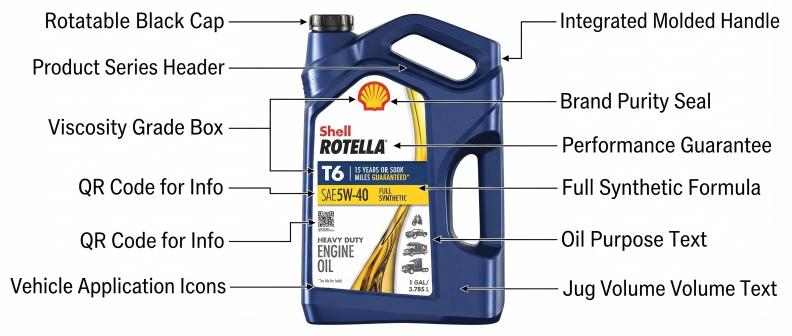
The supplied test used Rotella T6 5W-40 in a 3.0L Duramax LM2. The first sample was taken at about 35,000 miles. A later sample was taken at almost 52,000 miles.
The truck had more highway use during the earlier test. Later, it saw many short trips and cold starts. Most daily trips were only about three miles.
The oil report showed a small rise in aluminum and iron. Blackstone said this was a normal change. Iron was still below half of the level seen in an average 3.0L Duramax.
The report also showed less silicon. No harmful contaminants were found. The TBN result showed that active additives were still present.
These results do not prove that 5W-40 is better than 5W-30 for every engine. They show that 5W-40 worked well in this specific test.
What the Test Tells Me
The main point I take from this test is simple. Rotella T6 5W-40 can work well in the right diesel engine.
The test did not show a major wear issue. It also showed room to run the oil longer than the owner’s chosen 6,000-mile change point.
Still, oil results can change with driving habits. Short trips, cold starts, load, weather, and engine age can all affect an oil sample.
That is why I would not use one oil report as proof that 5W-40 is the best choice for every truck.
Recommendation
I would consider Rotella T6 5W-40 if my engine allows a 5W-40 diesel oil and I wanted one oil for both cold starts and hot running.
It can make sense for a truck that sees mixed weather or hard work. It may also be useful when 5W-40 is easier to find than another approved oil grade.
I would do more research if my owner’s manual calls for 5W-30, a different viscosity, or a specific OEM approval. The oil grade alone is not enough to confirm fit.
A 5W-30 oil is the main alternative to consider when both grades are allowed. The supplied test showed slightly better overall results with 5W-30, while the 5W-40 sample still looked healthy.
For U.S. drivers, I also like the practical side of 5W-40. The video notes that it can be found at stores such as Walmart, AutoZone, and NAPA. That can help if you need an oil change while traveling.
Who This Product Is NOT For
Rotella T6 5W-40 is not for every vehicle. I would not use it just because it is a full synthetic diesel oil.
If your engine needs another viscosity, follow that requirement. The same applies if your engine needs a specific OEM approval that this oil does not have.
I would also avoid making a choice based only on one oil analysis. Your engine, driving style, climate, and service needs all matter.
Pros
- Good cold-start flow: The 5W grade is suited to cold starts.
- Strong warm protection: It stays a 40-weight oil at normal operating temperature.
- Healthy test results: The supplied test found no major wear or harmful contamination issue.
- Useful additive package: The test showed active additives were still present.
- Wide use range: It can suit diesel engines that allow 5W-40 in cold or mixed climates.
Cons
- Not the clear winner in this comparison: The supplied test showed slightly better overall results with 5W-30.
- Not a universal fit: The engine maker’s oil grade and approval still matter.
- Long drains need care: Even though the test showed room beyond 6,000 miles, driving conditions can change the right service interval.
Who This Product Is Best For
Rotella T6 15W-40 is best for diesel trucks, work trucks, farm gear, and older diesel engines that call for 15W-40. It fits warm and mixed climates well. It can also suit engines that face heat, load, and long work days.
For a U.S. buyer, it can be a good fit for a diesel truck used for towing, farm work, or other hard use. The key is to check the oil grade and spec in the owner’s manual first.
Is Rotella T6 15W-40 Good?
Yes, Rotella T6 15W-40 is a good choice when your engine calls for 15W-40 diesel oil. It is a full synthetic oil made to help fight wear, heat, sludge, and oil break down.
The real-world report I reviewed is also useful. The owner said he had used Rotella 15W-40 in many of his vehicles for years. He used it in high-mile trucks and older engines. He said he had not had oil-related issues from this use.
One truck in the report had very high mileage. The owner said he had used 15W-40 Rotella in it for a long time. He also said the engine had stayed in service without major oil-related trouble. This is personal use, not a lab test, so I would not treat it as proof for every engine.
The report also gives useful cold-weather context. The owner said he had used 15W-40 in Canada and did not have problems with it. Still, 15W-40 is thicker at low temps than 5W-40. So I would be more careful with it in very cold areas.
What I Like
- Full synthetic oil: I like that T6 15W-40 uses a full synthetic base with an additive package made for diesel use.
- Good wear focus: The oil is made to help protect engine parts during hard work and high heat.
- Clean engine focus: Its additives help control deposits and keep the engine clean.
- Good for hard use: I see a clear fit for diesel pickups, work trucks, farm gear, and other heavy-duty use.
- Useful in warm weather: I would consider it when my engine calls for 15W-40 and I drive in a warm or mixed climate.
What Could Be Better
- Cold flow is not its strong point: A 15W grade is thicker at low temps than a 5W grade, so very cold starts need more care.
- It is not for every engine: I would not use it if the owner’s manual calls for another grade or oil spec.
- One size does not fit all: A 15W-40 oil may not suit a newer engine built for a lighter oil grade.
Key Differences
- Base Oil Formulation: Full synthetic base oil with an advanced additive package for diesel engine use.
- Cold-Weather Flow (Viscosity): Moderate. It is thicker when cold than 5W-40, so it suits warmer climates better.
- Oil Consumption & Shear Stability: Made to resist viscosity loss from shear and high heat while helping control oil use.
- Drain Intervals: Made for extended-drain use, but I would still follow the engine maker’s interval and driving needs.
How I Tested This Product
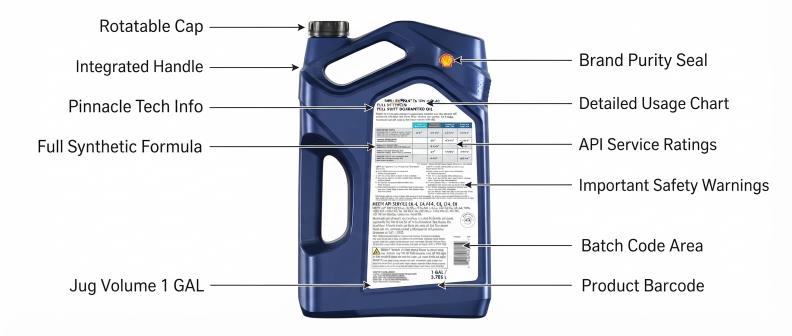
I based this review on the supplied product data and a real-world owner report. The reported user had run Rotella 15W-40 in many vehicles for years.
The most useful example was a high-mile truck. The owner said he had used the oil for a long time and had no major oil-related problem. He also used it in other trucks and older engines.
The same report says he often changed the oil before the service reminder. He preferred more frequent oil changes, even though he felt the diesel oil could run longer.
That tells me one thing clearly: the report supports good long-term personal experience, but it does not prove a set oil-change interval for every truck.
Recommendation
I would look at Rotella T6 15W-40 if my diesel engine calls for 15W-40 and I want a full synthetic oil for work or heavy use.
It makes the most sense to me for diesel pickups, older diesel engines, farm gear, and work vehicles that run in warm or mixed weather.
I would do more research if I lived in a very cold area. In that case, a 5W-40 oil may offer better cold flow when both grades are allowed.
For U.S. drivers, 15W-40 can be a practical grade for warm regions and heavy work. It can also fit trucks that tow or spend long hours under load. But the engine maker’s oil spec should always come first.
The main alternative I would check is 5W-40. I would favor that type when cold starts matter more. I would stay with 15W-40 when the engine calls for it and the climate is mild or warm.
Who This Product Is NOT For
I would not choose Rotella T6 15W-40 for an engine that requires a different oil grade.
I would also think twice about it for a vehicle that sees very cold starts if the owner’s manual allows a 5W-40 option instead.
It is also not a reason to extend oil changes on your own. Driving style, load, weather, and the engine itself can change the right service time.
My Final Take
My view of Rotella T6 15W-40 is based on two things: its stated diesel oil features and the long-term use reported in the supplied video.
The product has a clear place in heavy-duty diesel use. Its 15W grade is less suited to severe cold than 5W-40, but it can be a sensible fit for warm climates and engines that call for 15W-40.
The reported owner experience is positive, but I would still match the oil to the engine spec before making a choice.
Rotella T6 5W-40 vs 15W-40 Detailed Comparison
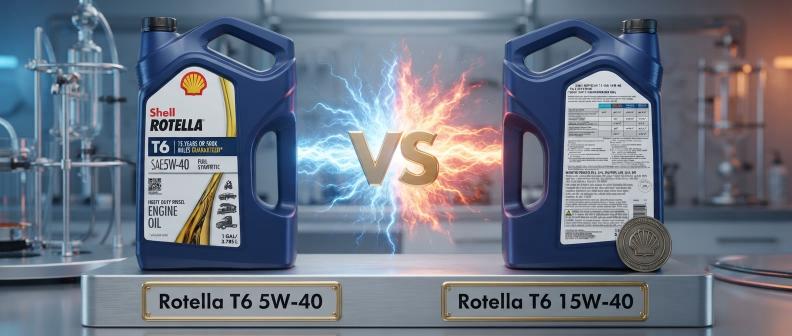
For most engines that allow both grades, Rotella T6 5W-40 is the better pick for cold starts, while Rotella T6 15W-40 makes more sense in warm weather and heavy use. Both are 40-weight oils when hot, but they differ most in cold flow.
Cold-Start Flow: Rotella T6 5W-40 vs 15W-40
Rotella T6 5W-40 is better for cold starts. The 5W grade can flow more easily at low temps than the 15W grade.
This matters most in cold U.S. states. A truck that sits out at night can need more help at start-up. The 15W-40 grade is thicker when cold, so it may not be the first pick for very cold use.
In the use report I reviewed, the owner said 15W-40 worked for him in Canada. He did not report cold-start trouble. Still, that was one person’s experience, not a cold-weather test.
My take: I would pick 5W-40 when cold starts are a key need.
Hot-Engine Protection: Rotella T6 5W-40 vs 15W-40
Both oils are 40-weight when hot, so neither has a clear win from the grade alone. The right choice still depends on the engine and its oil spec.
Once the engine is warm, both grades sit in the same SAE hot-viscosity class. That makes this part of the comparison much closer than the cold-flow test.
I would not choose one just because it is 5W or 15W. The engine maker’s spec should guide the choice.
My take: Tie. Both can make sense when the engine allows the grade.
Shear Stability: Rotella T6 5W-40 vs 15W-40
15W-40 has a smaller viscosity spread, but that alone does not prove it will always resist shear better. Real oil life also depends on the oil formula, heat, load, and engine.
The 15W-40 grade starts thicker when cold and ends in the same 40-weight hot class. The 5W-40 grade has a wider spread between its cold and hot grades.
I would avoid making a hard claim that 15W-40 always lasts longer. The supplied use report says the owner felt his Rotella 15W-40 ran well for his use, but he also stressed that this was personal experience.
My take: 15W-40 gets the edge on grade design, but I would not call it a proven overall winner.
Cold-Weather Use: Rotella T6 5W-40 vs 15W-40
5W-40 is the safer choice when low temperatures are a key concern. Its 5W grade is made for better low-temp flow than 15W-40.
That does not mean 15W-40 cannot work in cold weather. The supplied owner report says it was used in Canada without personal problems. The same report also says warranty vehicles were kept on the factory oil grade.
For a U.S. truck in a cold state, I would pay close attention to the winter grade. For a truck in a warm state, that gap may matter much less.
My take: 5W-40 wins for cold weather.
Heavy-Duty Use: Rotella T6 5W-40 vs 15W-40
Both can suit hard diesel use when the engine maker allows them. The 15W-40 grade has long been used in heavy-duty diesel settings, while 5W-40 gives more cold-flow range.
The use report I reviewed has a strong focus on work trucks and older engines. The owner said he used Rotella 15W-40 in many vehicles over many years.
He also said he often changed the oil at about 3,000 to 4,000 miles when towing. That was his own service habit, not a rule for all engines.
My take: 15W-40 fits warm, hard-use work well. 5W-40 is more flexible when cold starts also matter.
Performance: Rotella T6 5W-40 vs 15W-40
I give 5W-40 the edge for all-round use because it offers better cold flow while still being a 40-weight when hot.
The 15W-40 grade still has a clear role. It can be a good match for a diesel engine that calls for it, mainly in mild or warm weather.
The real-world report also gives 15W-40 some useful support. The owner said it had worked well for his trucks and older engines over many years.
My rating:
- Rotella T6 5W-40: 9/10
- Rotella T6 15W-40: 8.5/10
These ratings reflect use range and cold-start flexibility, not brand name or lab data.
Ease of Use: Rotella T6 5W-40 vs 15W-40
5W-40 is easier to use across more weather conditions. The lower winter grade gives it an edge when the same truck may see both cold and warm days.
15W-40 is simple too. It makes sense when the truck calls for 15W-40 and the weather is not very cold.
The key point is not which bottle is easier to pour. It is which oil grade fits the engine and the weather where you drive.
My experience-based take: I would find 5W-40 easier for mixed weather. I would choose 15W-40 when the engine spec and climate already match it.
Value for Money: Rotella T6 5W-40 vs 15W-40
15W-40 can offer better value when your engine calls for it and you use the truck in warm conditions. There is little reason to pay for a different grade if your engine is designed for 15W-40.
5W-40 may give more value if one oil needs to cover a wider range of weather. That can matter for a truck that sees cold winters and hot summers.
The owner report also shows why service habits matter. The speaker preferred shorter oil changes during towing rather than trying to stretch the oil for a very long time.
My rating:
- Rotella T6 5W-40: 9/10
- Rotella T6 15W-40: 8.5/10
The better value is the oil that matches your engine and use. A lower price does not make the wrong grade a good buy.
Overall: Rotella T6 5W-40 vs 15W-40
For most drivers who can use either grade, I would choose 5W-40 for its wider weather range. It keeps the 40-weight hot grade while offering a lower winter grade.
I would still choose 15W-40 for a diesel engine that calls for it, especially in a warm climate or hard work setting. It has a clear place in older diesel trucks and heavy work.
The long-term report I reviewed supports that point. The owner used 15W-40 in many vehicles and said it worked well for his needs. He also said he used the factory oil grade in vehicles that were still under warranty.
My rating:
- Rotella T6 5W-40: 9/10
- Rotella T6 15W-40: 8.5/10
Who Is Rotella T6 5W-40 Best For?
I would look at 5W-40 for a diesel truck that sees both cold and warm weather. It is also worth looking at when cold starts are common and the engine maker allows 5W-40.
Who Is Rotella T6 15W-40 Best For?
I would look at 15W-40 for a diesel truck, farm machine, or older diesel engine that calls for this grade. It makes the most sense in mild to warm weather and during hard work.
Rotella T6 5W-40 vs 15W-40 Final Verdict
Rotella T6 5W-40 is the more flexible choice when both grades are allowed, mainly because it flows better in cold weather. Rotella T6 15W-40 still makes good sense for engines that call for 15W-40, especially in warm climates and hard work.
I would not pick either oil by grade alone. I would first check the owner’s manual. The correct oil spec matters more than a simple 5W-40 vs 15W-40 label.
How I Test: Rotella T6 5W-40 vs 15W-40
I compare Rotella T6 5W-40 and 15W-40 in a fair and simple way. I first check the engine spec, then look at cold starts, warm use, oil level, driving, and oil condition. I keep the same rules for both oils so the result is easier to trust.
Product Fit: Rotella T6 5W-40 vs 15W-40
I start with the engine, not the oil bottle. I check the owner’s manual to see if the engine allows 5W-40, 15W-40, or both. I also check the oil specs listed by the maker before I compare the two grades.
This step matters most. An oil that is not allowed for an engine should not win a test just because it feels good in use.
Viscosity Check: Rotella T6 5W-40 vs 15W-40
I focus on the key grade gap: 5W vs 15W. Both oils are 40-weight at operating temp, so I pay close attention to what happens during a cold start.
For U.S. use, this can matter in very cold winter areas. It can matter less in warm states. I do not treat one grade as the best fit for every climate.
Test Setup: Rotella T6 5W-40 vs 15W-40
I aim to keep the test setup as close as I can for both oils. That means using the same engine, or an equal engine setup, when possible. I also track the engine type, mileage, and oil needs.
I also note the weather and the type of drive. City trips, highway runs, stop-and-go use, long drives, and heavy loads can place very different demands on engine oil.
Cold Starts: Rotella T6 5W-40 vs 15W-40
Cold starts are a key part of this test. I note how the engine starts and how it acts right after start-up. I also record the air temp rather than just calling a day “cold.”
This helps keep the comparison real. A cold start at one temp is not the same as a cold start at a much lower temp.
Warm Engine Use: Rotella T6 5W-40 vs 15W-40
I also watch both oils after the engine reaches its normal temp. I look for steady engine behavior during longer drives and normal use.
This is where the two grades become more alike. Both are 40-weight oils at normal engine temp, so I do not expect the cold-grade gap to tell the whole story.
Daily Driving: Rotella T6 5W-40 vs 15W-40
I include daily use because many U.S. drivers do not drive the same route each day. Short trips, stop-and-go traffic, and normal city use can give a different view than a long highway run.
I keep track of the type of driving during the test. This gives more context than judging an oil from one short drive.
Highway and Heavy Use: Rotella T6 5W-40 vs 15W-40
I look at longer highway runs when they are part of normal use. If the engine is built for it, I also consider towing or heavy loads.
I do not carry a heavy-load result over to every engine. A work truck and a light daily driver can have very different oil needs.
Oil Level: Rotella T6 5W-40 vs 15W-40
I track the oil level during the test. If oil is added, I record the amount and the mileage. I keep top-ups separate from normal oil use.
This gives me a better view of oil use than a quick check at the end of the test.
Engine Sound: Rotella T6 5W-40 vs 15W-40
I may note if the engine sounds different after a start or during a drive. But I treat this as a personal view, not a hard measure.
A small sound change can be hard to judge by ear. I do not use sound alone to claim lower wear or better engine health.
Oil Condition: Rotella T6 5W-40 vs 15W-40
I can look at the oil during the service period, but I do not judge oil life by color alone. Dark oil does not by itself prove that an oil has failed.
If used-oil analysis is available, it gives much stronger data. That can include wear metals, oil viscosity, dirt, fuel dilution, coolant, and other oil data.
Same Test Rules: Rotella T6 5W-40 vs 15W-40
I use the same basic rules for both oils. I keep the vehicle, test method, mileage range, drive type, temp notes, and oil checks as close as I can.
This is key to a fair oil test. If the test rules change, it gets much harder to know what caused a change.
What I Do Not Assume: Rotella T6 5W-40 vs 15W-40
I do not assume that 5W-40 or 15W-40 is always better. The test has to fit the engine, weather, and use. The owner’s manual still comes first.
I also do not turn one person’s result into a rule for every truck. One engine, one climate, or one short test cannot tell the full story.
Test Limits: Rotella T6 5W-40 vs 15W-40
Every oil test has limits. A test done in warm weather cannot prove how an oil will act in a harsh winter. A short test also cannot prove long-term engine wear.
That is why I keep my claims tied to what I can actually see or measure. If there is no lab data, I do not call a wear result proven.
Final Check: Rotella T6 5W-40 vs 15W-40
At the end, I compare the two oils by use rather than by a simple winner label. I look at cold starts, warm driving, oil use, climate, highway work, heavy loads, and the engine maker’s oil spec.
That gives me a more useful answer for readers. The goal is to show where each grade fits, not to claim that one oil is right for every engine.
FAQs for Rotella T6 5W-40 vs 15W-40
What is the main difference between Rotella T6 5W-40 and 15W-40?
The main difference is cold flow. 5W-40 flows better in cold weather, while both are SAE 40 oils at engine operating temperature.
Is Rotella T6 5W-40 better for cold starts?
Yes, 5W-40 is better suited to cold starts than 15W-40. Its lower winter grade helps the oil flow more easily when temperatures drop.
Is Rotella T6 15W-40 good for hot weather?
It can be a good fit for approved engines in warm weather. It is still SAE 40 when hot, but always check the engine maker’s oil grade first.
Can I use 5W-40 instead of 15W-40?
Only if your engine maker allows 5W-40. Check the owner’s manual and required oil specs before changing viscosity, especially for diesel engines.
Which Rotella T6 oil should I choose?
Choose based on your engine’s approved grade, climate, and use. 5W-40 may suit colder starts, while 15W-40 may fit warmer use when approved.
