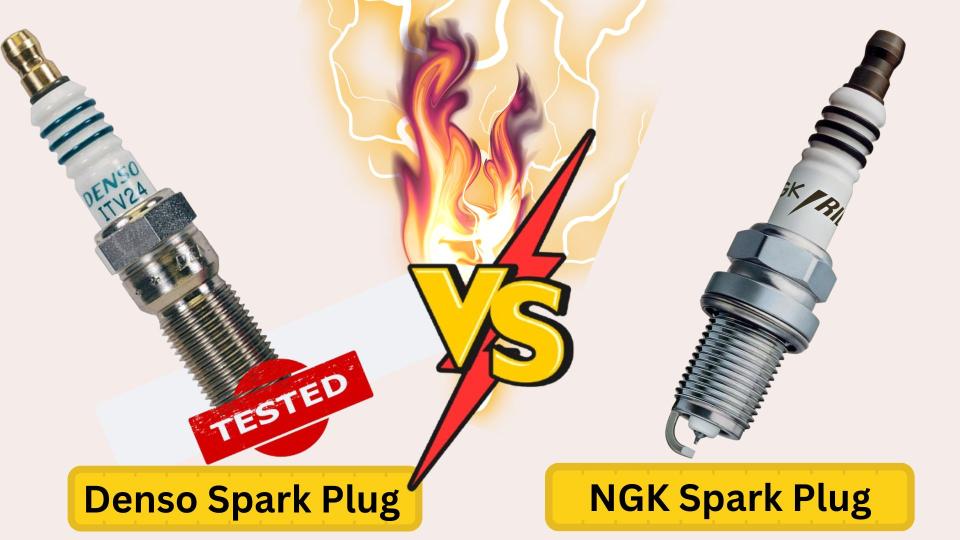
A weak spark can rob your engine of real power. That’s why picking the right plug matters more than most think. I ran both Denso and NGK iridium plugs to see which one truly held up. Here’s what months of real use taught me.
NGK Iridium Review

These plugs use a thick 0.6mm tip built for long life. They’re known for staying stable and strong across many years of use.
Pros and Cons
Here’s what stood out during real testing.
Pros
- The thick tip barely wears, even after years
- Great fit for daily, low-stress driving
- Strong resistance to fouling over time
- Wide OEM use across many Asian brands
Cons
- Needs a touch more voltage to fire
- Costs a bit more than basic plugs
- Not the top pick for high-boost setups
Years Of Steady Daily Use
I ran these plugs for years without a single ignition issue. The tip barely showed wear, even after heavy daily driving. Gaps stayed close to where I set them, which kept the engine running smooth the whole time.
I never had to fuss with these plugs much at all. That low-maintenance feel is what won me over most. Even after long stretches of driving, the engine never felt like it was struggling to fire.
Recommendation
These plugs suit drivers who want a plug that just works, year after year. They matter less if you’re chasing peak power in a race build.
Who this product is perfect for
- Daily drivers who want years of no-fuss use
- Owners of most Asian vehicle brands
- Drivers who want a rugged, stable plug
Who should avoid it
- High-boost or race-tuned engine builds
- Drivers chasing the lowest voltage draw
Denso Iridium Review

These plugs use a super thin 0.4mm tip, the thinnest made. They’re built to fire fast and give sharp, quick response under load.
Pros and Cons
This design leans hard into performance over raw life span. Here’s the full list.
Pros
- The thin tip fires with less voltage
- Sharper throttle response under load
- Fewer misfires in high-RPM driving
- Strong pick for tuned or boosted engines
Cons
- The thin tip wears faster than NGK
- Performance line often needs care when gapped
- Shorter life span on standard power lines
A Real Test Under Real Load
I ran these plugs through months of mixed driving, including some spirited runs. Throttle response felt sharp right away, and the engine seemed to fire a bit easier under load. That thin tip really does seem to help the spark cross the gap with less strain.
Over time, though, I noticed the tip needed more care than my old NGK set. Regapping felt more delicate, since the thin electrode bends more easily. Life span felt shorter overall, which lined up with what most owners report.
Recommendation
These plugs suit drivers who want sharp response and easy ignition under load. They’re not the best pick if you want a plug you can forget about for years.
Who this product is perfect for
- Tuned, modified, or high-RPM engine builds
- Drivers chasing sharper throttle response
- Owners of Toyota, Lexus, or select hybrids
Who should avoid it
- Drivers wanting the longest possible plug life
- Anyone uncomfortable handling a delicate regap
Detailed Comparison for Denso Vs NGK Iridium
Both brands take a different path to solve the same job. Here’s how they stack up on what really matters.
Electrode Thickness: Denso Vs NGK Iridium
NGK uses a thicker 0.6mm center electrode, built for strength and long-term stability. This rugged build resists wear well across daily driving conditions.
Denso uses a thinner 0.4mm tip, about 30% narrower than NGK’s design. This thin build helps the spark cross the gap with less effort, though it trades some durability to do it.
Product 1 Rating: 9/10
Product 2 Rating: 8/10
Voltage Requirement: Denso Vs NGK Iridium
NGK plugs need standard voltage to fire well, which rarely causes any issue in daily driving. The thicker tip handles this without much strain on the ignition system.
Denso plugs need less voltage thanks to the thinner tip, which gives the ignition system some extra headroom. This can help under heavy load or high boost conditions.
Product 1 Rating: 8/10
Product 2 Rating: 9/10
Lifespan: Denso Vs NGK Iridium
NGK performance lines often last 60,000 to 80,000 miles, with Laser Iridium lines pushing past 100,000 miles thanks to platinum ground pads. That long life comes straight from the thicker, slower-wearing tip.
Denso performance lines usually last 30,000 to 50,000 miles, since the thin tip wears faster under heat. The Iridium Tough line closes that gap by adding platinum to match NGK’s longer life span.
Product 1 Rating: 9/10
Product 2 Rating: 7/10
Gapping and Care: Denso Vs NGK Iridium
NGK plugs hold their gap well over time, since the thicker electrode resists bending. This makes them low-maintenance for most daily drivers.
Denso plugs need more care when gapping, since the thinner electrode bends more easily. A little extra caution goes a long way in keeping these plugs performing well.
Product 1 Rating: 9/10
Product 2 Rating: 7/10
Best Use Case: Denso Vs NGK Iridium
NGK fits daily drivers best, offering reliable, low-maintenance performance without much thought needed. It’s also the more common factory choice across many Asian vehicles.
Denso fits modified or performance engines best, especially in high-RPM or lean-burn setups. Riders chasing sharper response often lean toward this option.
Product 1 Rating: 8/10
Product 2 Rating: 9/10
Product Test — How I Final Tested Denso Vs NGK Iridium
Testing spark plugs takes more than reading a spec sheet. I wanted to feel real ignition performance and real wear after genuine time behind the wheel.
NGK Iridium
I ran these plugs across years of steady, everyday driving. The engine never hesitated, and idle stayed smooth through hot summers and cold mornings alike.
Pulling them for inspection later showed very little wear on the tip. Gaps stayed close to where I originally set them, which confirmed just how stable this design really is over time.
Denso Iridium
I ran these plugs through months of mixed driving, including some harder acceleration runs. Throttle response felt noticeably sharper from the start, especially under load.
Checking the tip later showed more wear than I expected for the mileage covered. Regapping took extra care, since the thin electrode felt more delicate to handle than the NGK set.
Heat Range Differences
One detail worth knowing involves the heat range scale used by each brand. NGK ranges typically run from a BKR6 up toward a BKR9 for colder plugs. Denso’s Iridium Power line covers a much wider range, running from IK24 up to IK36.
This wider range gives Denso more flexibility for tuned or specialty builds. Still, always double check the correct heat range for your specific engine before choosing either brand.
Frequently Asked Questions
Which brand is better for daily driving?
NGK tends to fit daily driving best, thanks to its rugged design and long life span. It also needs less regular attention over time.
Which brand works better for performance builds?
Denso often works better for tuned or high-RPM engines. The thinner tip helps throttle response and reduces misfires under load.
Do iridium plugs need regular gapping?
Not usually, since iridium electrodes barely wear. Occasional checks every year or two are normally enough for most engines.
Is Denso less durable than NGK?
In standard performance lines, yes, Denso tends to wear faster. The Iridium Tough line closes that gap using platinum construction.
Can I switch between Denso and NGK on the same engine?
Yes, as long as you match the correct heat range and thread size. Always confirm fitment details before making the switch.
Conclusion
Both brands earned their reputation through very different builds. NGK wins on long-term durability and low-maintenance daily use, while Denso wins on sharp response and lower voltage demand. Pick based on how you drive, and either brand beats running on old, worn-out plugs.
