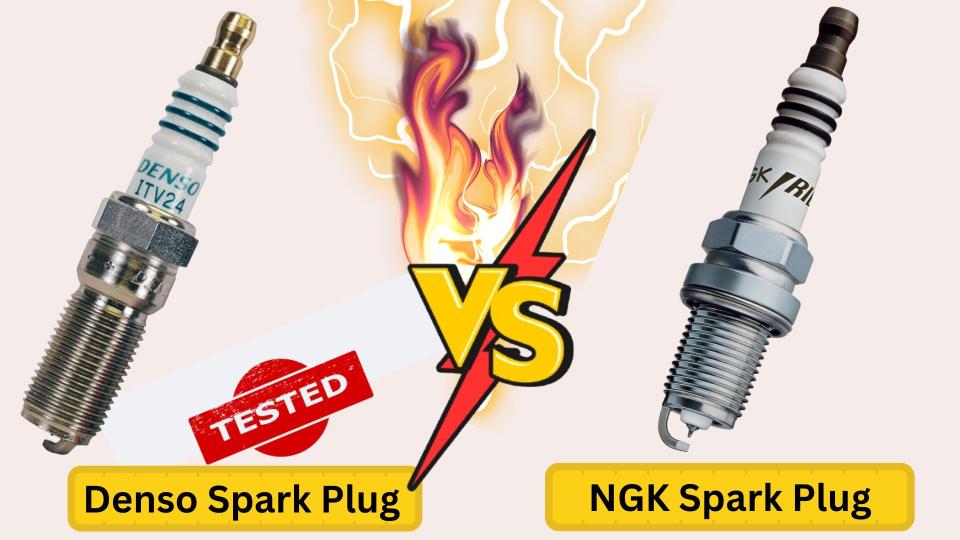
A rough idle can ruin a good drive. That’s why plugs matter more than most think. I ran Denso plugs for 70,000 miles. Then I went back to my old NGK plugs to check the real difference.
NGK Spark Plugs Review
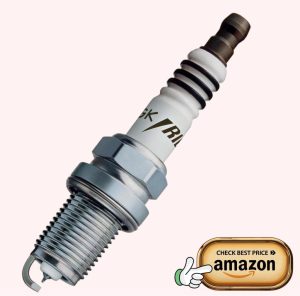
These plugs use a thick 0.6mm tip. They’re built to last a long time. They stay strong through years of daily use.
Pros and Cons
Here’s what stood out to me.
Pros
- The thick tip fights off wear for a long time
- Top lines can hit 100,000 miles
- The plating stops rust well
- You can find these plugs almost anywhere
Cons
- Needs a bit more voltage to fire
- Not the top pick for turbo setups
- Heat range numbers can confuse new buyers
Running Them For Years On The Road
I ran these plugs from day one to 30,000 miles. The car felt smooth the whole time. The tip held its shape well, even with daily wear. I never felt any drop in power.
When I pulled them out, the tip still looked strong and full. That thick build seems to be why they lasted so well. Putting them back in later showed just how steady they run.
Recommendation
These plugs suit drivers who want a plug that lasts. They matter less if you want peak power from a tuned engine.
Who this product is perfect for
- Drivers who want plugs that last
- Daily drivers who want less upkeep
- Owners of Honda, Nissan, Subaru, Mazda, or Euro cars
Who should avoid it
- Turbo builds that need fast ignition
- Tuners who want the lowest voltage draw
Denso Spark Plugs Review
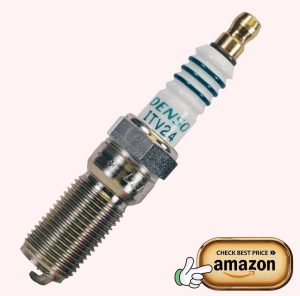
These plugs use a thin 0.4mm tip, the thinnest made. They’re built to fire fast and use less power to do it.
Pros and Cons
This design trades some life span for sharp ignition. Here’s the full list.
Pros
- The thin tip needs less voltage to fire
- The fine wire helps the flame spread fast
- Tuners like these for turbo builds
- Strong plating helps stop rust
Cons
- The thin tip wears out faster
- Life span sits near 60,000 miles
- Some parts are hard to find in stores
A Real Comparison After 70,000 Miles
I ran these plugs for 70,000 miles. Then I pulled them to check them close up. Right away, I saw the tip sat shorter than my old NGK plugs. That gap changed how deep it sat in the engine.
The tip also had a slight bend, and the cover looked thin next to the NGK one. Power never felt quite as strong near the end. Going back to NGK made that gap easy to feel.
Recommendation
These plugs suit drivers who want fast, easy ignition. They’re not the best pick if you want the plug to last a long time.
Who this product is perfect for
- Turbo or boosted engine builds
- Drivers who want easy, low-voltage starts
- Owners of Toyota, Lexus, Scion, or some hybrids
Who should avoid it
- Drivers who want the longest plug life
- Anyone who wants to skip frequent swaps
Detailed Comparison of Denso vs NGK Spark Plugs
Both brands solve ignition in their own way. Each design comes with real trade-offs. Here’s how they compare.
Electrode Design: Denso Vs NGK Spark Plugs
NGK uses a thick 0.6mm tip. This tough build fights off wear well over time and stays strong through heavy use.
Denso uses a super thin 0.4mm tip, the thinnest on the market. This tight tip changes how the spark fires and how the plug performs.
Product 1 Rating: 9/10
Product 2 Rating: 8/10
Voltage Needs: Denso Vs NGK Spark Plugs
NGK plugs need a bit more voltage to fire well. This rarely causes issues for normal daily drives.
Denso plugs need less voltage thanks to the thin tip. This helps stop spark loss under high boost, which tuners like a lot.
Product 1 Rating: 8/10
Product 2 Rating: 9/10
Life Span: Denso Vs NGK Spark Plugs
NGK plugs, especially top lines, can reach close to 100,000 miles. That thick tip gives real staying power over time.
Denso plugs tend to wear faster, often needing a swap near 60,000 miles. The thin tip trades some life for sharp, fast ignition.
Product 1 Rating: 9/10
Product 2 Rating: 7/10
Rust and Thread Care: Denso Vs NGK Spark Plugs
NGK uses a strong plating that fights rust well. This means you often skip extra anti-seize during install.
Denso uses solid plating too, though it’s a bit more standard. Most people still add anti-seize just to be safe.
Product 1 Rating: 9/10
Product 2 Rating: 8/10
Ignition Power: Denso Vs NGK Spark Plugs
NGK plugs give steady, solid ignition for daily drives. They work well right out of the box with no extra tuning needed.
Denso plugs help the flame spread fast under boost. This gives turbo engines a real edge in power and response.
Product 1 Rating: 8/10
Product 2 Rating: 9/10
Product Test — How I Finally Tested Denso vs NGK Spark Plugs
Testing plugs means more than reading a spec sheet. I wanted to see real wear and real fit after real miles on both sets.
NGK Spark Plugs
I ran these from new up to 30,000 miles. The car stayed smooth the whole time, with no rough idle or stalling at all.
When I pulled them, the tip cover looked thick and full. It sat straight, which matched the strong, steady feel I got while driving.
Denso Spark Plugs
I ran these for about 70,000 miles before I pulled them to compare. The tip sat shorter than the old plugs, so it wasn’t as deep in the engine.
A close look showed a slight bend and a thin cover next to the NGK plug. Power felt a bit weaker near the end. Going back to NGK made the change clear right away.
Understanding Heat Range Numbers
One thing to know before you switch brands is the heat range scale. NGK uses a low number for a hot plug and a high number for a cold one. Denso works the other way, with a high number for cold.
This means you can’t match part numbers by digit alone. As a rough guide, an NGK 6 is close to a Denso 20. Always check this before you swap brands.
Frequently Asked Questions
Can I switch from NGK to Denso with no issue?
Yes, but check the heat range first. The two brands use opposite number scales.
Which brand lasts longer?
NGK tends to last longer, with top lines near 100,000 miles. Denso often needs a swap closer to 60,000 miles.
Do turbo engines like one brand more?
Many tuners pick Denso for turbo builds. The thin tip helps stop spark loss under high boost.
Do I need anti-seize with these plugs?
NGK’s plating often means you can skip it. Denso plugs use solid plating too, but most still add anti-seize just in case.
Why did my new plugs feel different from the old ones?
Tip length, bend, and cover size can all shift between brands. Small shifts like these can change how the engine feels, even if it still runs safe.
Conclusion
Both brands earned their name through very different builds. NGK wins on long life and steady daily power. Denso wins on fast fire and low voltage draw. Pick what fits your engine, and either brand beats old, worn-out plugs.
