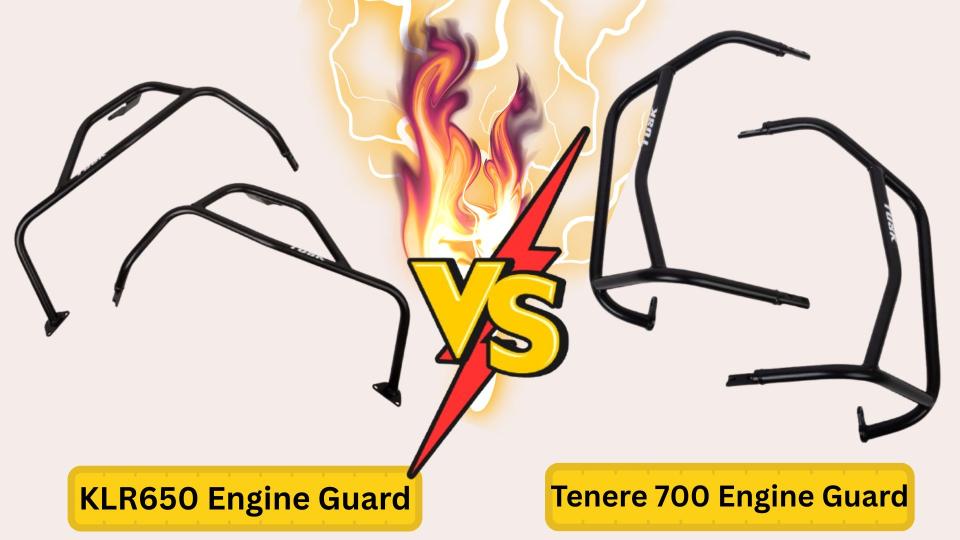
A hard drop can wreck your ride fast. That fear is why engine guards exist. I put guards on a KLR650 and a Tenere 700. I rode both for months to see what held up.
KLR650 Engine Guards Review
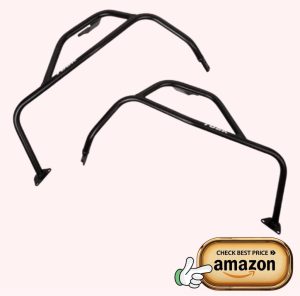
These guards bolt onto the frame. They wrap around the engine’s soft spots. They’re built to take a hit and hold their shape.
Pros and Cons
Here’s what I liked and what bugged me.
Pros
- Bolts on with no big changes needed
- Works with the stock skid plate or new ones
- Steel tubing takes hits well
- Some kits fit a highway peg too
Cons
- Install takes time near the light bar
- Some kits touch the fairing a bit
- Adds weight to a bike that’s front heavy
Riding With Them Through Rough Trails
I dropped this bike more than once on loose gravel. The guards took the hit, not the fairing. That gave me real peace of mind. I rode harder into rough spots after that. The steel got scuffed but never bent.
I did notice one thing early on. The guard touched the fairing a bit on one side. No damage came from it. Still, check this close during your own install.
Recommendation
These guards work well for riders who hit rough terrain often. They matter less if you mostly ride on paved roads.
Who this product is perfect for
- Riders who drop their bike a lot on trails
- Riders who want stock-friendly protection
- Riders okay with a slower, careful install
Who should avoid it
- Riders who want the lightest front end
- Riders who won’t check fairing clearance
Tenere 700 Engine Guards Review
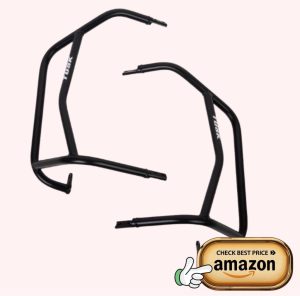
These guards use a multi-part bolt-on system. They’re built around spots that shake the most. They protect the water pump and header without much bulk.
Pros and Cons
This install takes more steps but fits well in the end. Here’s the full list.
Pros
- Uses stock mount points for a tight fit
- Wraps around key engine spots well
- Coating fights off rust over time
- Stays low and keeps the bike agile
Cons
- Install means pulling off fairing bolts
- Some steps in the guide feel unclear
- Paint can chip after hard hits
A Season Of Real Trail Use
This install took real time. I had to work around the clutch cable and fairing bolts with care. Once on, the fit felt tight and clean. I dropped the bike on rocks once. The guards took the hit well.
Months later, I saw small paint chips near the contact points. That’s just looks, not strength. The steel stayed solid the whole time. The low build never got in my way while riding.
Recommendation
These guards suit riders who want strong protection without extra bulk. They’re not the best pick if you want a fast, five-minute job.
Who this product is perfect for
- Riders who want protection with less bulk
- Riders okay with a slower install
- Riders who want sharp, agile handling
Who should avoid it
- Riders who want the fastest install
- Riders who want a finish with zero wear
Detailed Comparison for KLR650 vs Tenere 700 Engine Guards
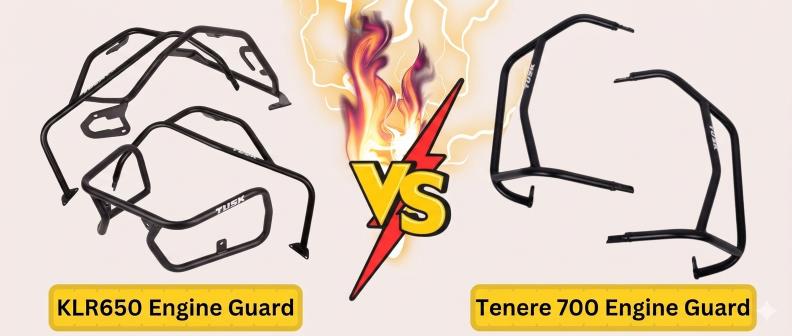
Both bikes need real protection. Each engine shape pushes guard design a different way. Here’s how they stack up.
Design and Coverage: KLR650 vs Tenere 700 Engine Guards
KLR650 guards use one big wraparound bar. It shields the radiator and side cases. This bike’s big engine needs wide coverage in one spot.
Tenere 700 guards use two smaller parts, an upper and a lower. This design guards the water pump and header. It also keeps the bike slim.
- Product 1 Rating: 8/10
- Product 2 Rating: 9/10
Vibration Isolation: KLR650 vs Tenere 700 Engine Guards
The KLR650 has a big single-cylinder engine. It shakes hard, so isolation matters a lot here. Bolts and rubber parts must hold strong over time.
The Tenere 700 runs smoother. Its stock rubber mounts handle the shake just fine. Bolts loosen less often on this bike.
- Product 1 Rating: 7/10
- Product 2 Rating: 9/10
Installation Difficulty: KLR650 vs Tenere 700 Engine Guards
The KLR650 install stays fairly simple. You mostly need the light bar cover off and a few frame bolts. Most riders skip pulling off big panels.
The Tenere 700 install takes more steps. You pull off fairing bolts and work around the clutch cable. It takes longer, but the fit turns out clean.
- Product 1 Rating: 8/10
- Product 2 Rating: 7/10
Weight Impact: KLR650 vs Tenere 700 Engine Guards
KLR650 guards add real weight up front. This bike already carries weight there. Slow, tight turns may feel it most.
Tenere 700 guards stay light on purpose. This keeps the bike’s quick, nimble feel. It rides close to stock, even with guards on.
- Product 1 Rating: 7/10
- Product 2 Rating: 9/10
Protection and Practicality: KLR650 vs Tenere 700 Engine Guards
KLR650 guards go big on coverage. They protect the radiator, fairings, and tank from hits. Real drops proved this bulk pays off.
Tenere 700 guards stay practical day to day. They cover key parts but keep the bike easy to move. Riders get solid protection with less bulk.
- Product 1 Rating: 8/10
- Product 2 Rating: 8/10
Product Test — How I Final Tested KLR650 vs Tenere 700 Engine Guards
Testing guards means more than a quick bolt-on. I wanted to see real hits, real shake, and real riding over time.
Kawasaki KLR650 Guards
I mounted these with the stock skid plate. Most riders run it this way. The fit felt tight, though one side touched the fairing on close look.
I rode this bike through loose gravel and rocks on purpose. The guards took many hits and never bent. That gave me real trust in the steel build.
Yamaha Tenere 700 Guards
This install took real patience. I had to work slow around the clutch cable near the frame mount. I followed the guide closely, though a few steps needed extra care.
Once on, I rode the same rocky terrain to compare results. The guards did their job well. I did see small paint chips near contact points after repeat drops.
Other Brands Worth Knowing
A few other brands come up a lot when riders research guards for these bikes.
Tusk Crash Bars
Tusk makes guards from coated steel tubing, sold in left and right sets. Riders like the fit and price, though a few note tight fairing space and a longer install.
SW-MOTECH Crash Bars
SW-MOTECH builds close-fitting crash bars around stock mount points. These aim for a clean look with solid strength.
Outback Motortek Crash Bars
Outback Motortek focuses on tough, long-trip protection. These bars handle repeat off-road hits well.
Givi Engine Guards
Givi makes a wide range of touring gear. Their guards pair well with their bags and windshields.
Quick Comparison Matrix
- Primary Focus: KLR650 guards protect the radiator shroud and side cases. Tenere 700 guards protect the water pump, header pipe, and keep a slim shape.
- Common Design: KLR650 guards use one big wraparound bar. Tenere 700 guards use two smaller upper and lower parts.
- Vibration Isolation: The KLR650’s big engine makes this a must. The Tenere 700’s stock rubber mounts do the job fine.
- Weight Impact: KLR650 guards add real weight up front. Tenere 700 guards stay light to keep the bike nimble.
Frequently Asked Questions
Do engine guards stop damage in a crash?
Yes, in most slow to medium speed drops. They take the hit so your fairing, radiator, and case don’t.
Will engine guards change how my bike handles?
Heavy guards can shift the front-end feel a bit. Light, low guards keep handling close to stock.
Can I install these myself at home?
Most kits bolt on with basic tools. Some need fairing panels off, which adds time but stays doable.
Do these guards fit with a stock skid plate?
Many kits work fine with the stock plate. Always check the fit notes first to be safe.
Why do some guards touch the fairing?
Tight builds can cause light contact on some kits. It rarely causes harm, but check it close after install.
Conclusion
Both guard sets earned their spot after real drops and rough trails. KLR650 guards win on big coverage and drop strength. Tenere 700 guards win on light weight and a clean fit. Either choice turns a scary drop into a small bump in the road.
