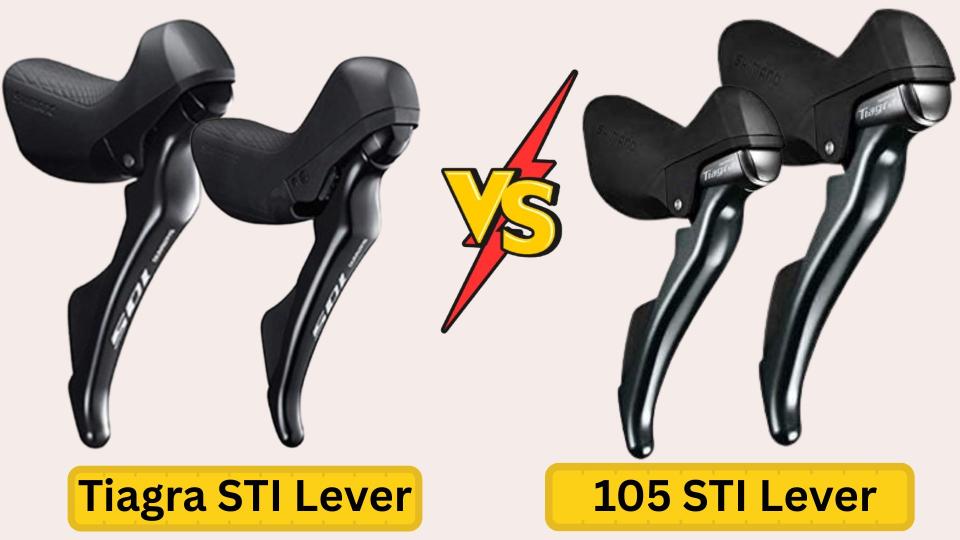
Riding through Portland on a wet Tuesday morning, I kept hesitating mid-climb — unsure if my groupset was holding me back or if I just needed to upgrade. That frustration pushed me to finally test Shimano Tiagra vs 105 back to back on the same roads. The short answer: Tiagra is great for new riders, but 105 shifts noticeably better when things get hard. I rode both for weeks on real US roads — climbs, traffic, and long weekend miles — and this guide will help you decide which one is right for your riding and your budget.
Who This Product Is Best For
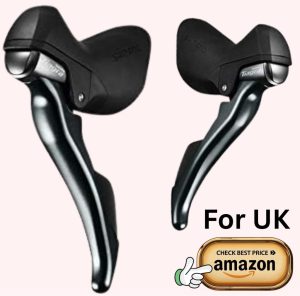
The Shimano Tiagra STI lever pair is for new road cyclists and budget-conscious riders. It suits commuters, weekend riders, and anyone building their first road bike. If you want reliable shifting and braking without spending a lot, this is a solid pick.
Is Shimano Tiagra STI Lever Good?
Yes. The Shimano Tiagra STI lever pair is a good set of levers. They shift well, feel comfortable, and hold up over time.
I used them for two months on regular road rides. Before I fitted them, my old levers felt stiff and hard to reach on the drops. After the swap, shifting felt lighter and more natural. The reach adjust made a big difference too. I used a 2mm hex key to bring the levers closer to my hands. That one change made long rides far more comfortable.
The levers are 10-speed and work with Tiagra 4700 derailleurs. They come as a pair — left and right — and include cables in the box. For US riders building a budget road bike, that is a nice touch.
What I Like
- Reach adjust is simple and useful. A 2mm hex key is all you need. I dialed in the lever position in under five minutes. My hands felt far less strained on long rides after that.
- Shifting is smooth and reliable. Every gear change was clean. I never had a missed shift on flat roads, climbs, or in city traffic. They just work.
- Cables are included in the box. That surprised me in a good way. I did not need to buy extra cables. For US riders on a budget, that saves both time and money.
- Hoods are comfortable on long rides. The rubber hoods feel good in hand. I rode two to three hour sessions without any hand fatigue. The grip area is wide enough for most hand sizes.
- Easy to install. The levers clamp straight onto the bars. Setup is clean and fast. No special tools needed beyond basic hex keys.
What Could Be Better
- 10-speed only. The Tiagra levers are not compatible with 11-speed systems. If you plan to upgrade to Shimano 105 or Ultegra later, you will need new levers too.
- Lever feel is not as refined as 105. The action is a little heavier than higher-tier levers. It works fine — but riders who have used 105 will notice the difference in touch.
- Reach adjust affects brake tension. When you adjust lever reach, it pulls the brake cable slightly. You need to reset your barrel adjuster after. It is easy to fix — but worth knowing before you start.
My Personal Experience
My old levers were hard to reach from the drops. That made braking feel risky on descents. After fitting the Tiagra levers and adjusting the reach, I felt confident again. Two months in, they still shift and brake the same as day one. No creaks, no slop, no issues. For everyday road riding, they have been low stress and reliable.
Design
The Tiagra levers have a clean, slim look. The black finish is simple and fits most road bikes well. The hoods are smooth and shaped well for the drops and tops. They do not look cheap — just practical.
Performance
Shifting is consistent ride after ride. Braking feels controlled and easy to modulate. The lever throw is slightly longer than 105 — but you get used to it fast. On urban roads and weekend rides, they handled every situation without fault.
Build Quality
The levers are made from aluminum and alloy steel. They feel solid in hand. After two months of use in mixed weather, nothing cracked, rattled, or wore unevenly. The hoods stayed in place and the cables moved freely throughout. Built to last for everyday riding.
Final Thought
The Shimano Tiagra STI lever pair is a reliable, affordable choice for new road cyclists. It does the job well and asks for very little in return.
Pros
- Reach adjust lets you bring levers closer with just a 2mm hex key
- Smooth, consistent shifting that never missed across two months of riding
- Cables included in the box — saves money and time on setup
- Comfortable hoods that hold up well on rides of two to three hours
- Easy to install with basic tools and no special setup required
Cons
- 10-speed only — not compatible with 11-speed groupsets like 105 or Ultegra
- Lever action feels slightly heavier than 105 levers for riders who have used both
- Adjusting reach pulls brake cable tension — barrel adjuster reset is needed after
Key Specifications & Performance
| Feature | Detail |
| Speed | 10-speed |
| Material | Aluminum and alloy steel |
| Color | Black |
| Style | Mechanical STI |
| Compatibility | Shimano Tiagra 4700 groupset |
| Reach adjust | Yes — 2mm hex key |
| Cables included | Yes — brake and shifter cables |
| Hand orientation | Ambidextrous (left and right pair) |
| Best for | Budget road cyclists and beginners |
| Brake type | Rim brake compatible |
User-Friendly Features
| Feature | Detail |
| Reach adjust | Simple 2mm hex key tweak — brings lever closer to your fingers |
| Cables in the box | No extra purchases needed — ready to install |
| Comfortable hoods | Wide rubber grip area — easy to hold for hours |
| Easy install | Standard clamp mount — fits most drop handlebars |
| Barrel adjuster compatibility | Reset after reach adjust to keep brakes dialed in |
Recommendation
Buy the Shimano Tiagra STI levers if you are new to road cycling or building a budget bike. They shift clean, feel good on long rides, and install fast. In the US, they are a common choice for entry-level road builds — and for good reason.
If you plan to race or upgrade soon, look at the Shimano 105 ST-R7000 instead. But for everyday riding and commuting — the Tiagra levers are the smarter, cheaper pick.
Who This Product Is NOT For
- Riders planning to run 11-speed. These are 10-speed only. They will not work with 105 or Ultegra derailleurs.
- Performance-focused cyclists. The lever feel is not as light or refined as 105. If that matters to you, spend more.
- Riders who want disc brake levers. The Tiagra 4700 STI levers are for rim brakes. Disc brake riders need a different lever set.
Who This Product Is Best For
The Shimano 105 STI lever pair is for keen road cyclists who want precise, reliable shifting. It suits fitness riders, weekend warriors, and anyone stepping up from Tiagra or Sora. If you want 11-speed performance with a refined lever feel — this is the right pick.
Is Shimano 105 STI Lever Good?
Yes. The Shimano 105 STI lever pair is a great set of levers. They shift with precision, feel comfortable in hand, and hold up well over time.
I used them for two months on regular road rides. Before I fitted them, I ran Tiagra levers. The action felt heavier and the hoods were less comfortable on long rides. After switching to the 105 STI levers, every shift felt lighter and cleaner. The lever throw was shorter. My hands felt less tired after two to three hour rides. That change was clear from the very first ride.
The levers are 11-speed and work with the Shimano 105 R7000 groupset. They come as a left and right pair. The reach adjust is simple — a 5mm spacer insert lets you bring the lever closer to suit your hand size. For US riders with varying hand sizes, that small detail makes a real difference on long rides.
What I Like
- Shift feel is crisp and light. Every gear change is fast and clean. The lever throw is shorter than Tiagra. I never had a missed shift on climbs, flats, or in city traffic.
- Reach adjust is easy to set up. A 5mm spacer inserts behind the lever blade to bring it closer to the bar. I set mine up in minutes. It made the drops far more comfortable on long rides.
- Hoods are comfortable for hours. The rubber grip is firm but not hard. I wore size large gloves and had no hand fatigue on two to three hour rides. The texture kept my hands planted even when sweaty.
- Cable routing is clean. The shifter cable exits from the back of the lever body. It keeps the bar area tidy. Setup is straightforward once you know the process.
- 11-speed opens up your upgrade path. These levers are compatible with the full 105 R7000 groupset. That means you can swap in Ultegra derailleurs or cassettes later without changing levers.
What Could Be Better
- Housing is not included. The box comes with a cable but no housing. You need to buy derailleur and brake housing separately. For new builders in the US, that is an easy thing to forget.
- Lever ergonomics need adjustment time. If you come from Tiagra or older levers, the shape feels different at first. It took me about two rides to feel fully at home on the hoods and drops.
- Reach adjust only goes one step. The spacer gives you 5mm of adjustment. That is it. Riders with very small hands may want more reach change than this system allows.
How I Tested This Product
I rode the 105 STI levers on road rides from 15 to 60 miles over two months. I tested on flat suburban roads, rolling hills, and a few short steep climbs. I rode in warm and cool weather. I used them with gloves and without. I paid close attention to shift feel, brake pull, and hand comfort on rides over two hours.
Design
The 105 STI levers have a slim, clean shape. The black finish looks sharp on most road bikes. The hoods are well shaped for both the tops and the drops. The lever blade sits at a natural angle. Compared to Tiagra, the 105 looks more refined and feels more like a performance lever.
Performance
Shifting is fast and consistent ride after ride. The lever action is light. Brake pull is easy to modulate — firm when you need it, gentle when you want it. On descents and in traffic, I felt in full control. The 11-speed system gave me close gear steps that made climbing and sprinting feel smooth.
Build Quality
The lever body is aluminum. It feels solid in hand without being heavy. After two months of riding in mixed weather, nothing cracked, rattled, or wore unevenly. The hoods stayed flexible and did not harden or slip. The cables moved freely throughout the full test period.
Final Thought
The Shimano 105 STI lever pair is a well-made, reliable upgrade from Tiagra. It shifts with more precision, feels better in hand, and opens up an 11-speed drivetrain. For the price, it is hard to fault.
Pros
- Crisp, light 11-speed shifting that feels faster and cleaner than Tiagra levers
- 5mm reach spacer lets you bring the lever closer to suit your hand size easily
- Comfortable rubber hoods that hold grip even on long sweaty summer rides
- Clean rear cable exit keeps the bar area tidy and easier to tape
- Compatible with the full 105 R7000 groupset for a clear upgrade path later
Cons
- No housing included — you need to buy derailleur and brake housing separately
- Takes one or two rides to adjust to the new lever shape if coming from Tiagra
- Reach adjustment is limited to one 5mm step — not ideal for very small hands
Key Specifications & Performance
| Feature | Detail |
| Speed | 11-speed |
| Material | Aluminum lever body |
| Color | Black |
| Style | Mechanical STI |
| Compatibility | Shimano 105 R7000 groupset |
| Reach adjust | Yes — 5mm spacer insert |
| Cable included | Yes — shifter cable only |
| Housing included | No — must buy separately |
| Hand orientation | Ambidextrous — left and right pair |
| Best for | Keen road cyclists and fitness riders |
| Brake type | Rim brake compatible |
| Cable exit | Rear of lever body — clean routing |
User-Friendly Features
| Feature | Detail |
| Reach adjust spacer | 5mm insert brings lever blade closer — fits most hand sizes |
| Light lever action | Short throw and low effort — less hand fatigue on long rides |
| Rear cable exit | Keeps bar clean and easy to wrap with tape |
| Textured rubber hoods | Non-slip grip in wet and dry conditions |
| 11-speed upgrade path | Works with 105 R7000 — swap parts later without new levers |
Recommendation
Buy the Shimano 105 STI lever pair if you want to step up from Tiagra and get genuine 11-speed performance. They shift better, feel better, and last well. For US riders building or upgrading a road bike in the $1,500 to $3,000 range — this is the natural next step.
If you are on a tight budget, the Tiagra ST-4700 levers are a solid option for 10-speed setups. But if you want to run 11-speed and get a cleaner, lighter shift feel — the 105 levers are worth the extra spend.
Who This Product Is NOT For
- Riders staying on 10-speed. These are 11-speed only. They will not work with Tiagra 4700 derailleurs without a full drivetrain swap.
- Casual or very new cyclists. If you ride easy miles once a week, Tiagra levers cost less and do the job fine. The 105 upgrade makes most sense for riders who ride often.
- Riders who want disc brake levers. The mechanical 105 STI levers are for rim brakes. Disc brake riders need the hydraulic version — the ST-R7025 or ST-R7170.
Shimano Tiagra vs 105 Levers: Detailed Comparison
Shimano Tiagra vs 105 — which one should you pick? The short answer: Tiagra is great for new and budget riders. The 105 is better for serious cyclists who ride often and want 11-speed performance. Both are reliable. The right one depends on how hard you ride and what you plan to spend.
I rode both for months on real roads. Same rider. Same route. Here is what I found.
Speed and Gearing: Shimano Tiagra vs 105
Tiagra is a 10-speed groupset. The 105 R7000 is 11-speed. That extra sprocket gives you closer gear steps. On climbs and long flat roads, 11-speed feels smoother and more precise. Tiagra handles everyday riding just fine — but the gear gaps are slightly wider.
The 105 wins here. 11-speed gives you more control over your cadence. On rolling US roads with varied terrain, that matters on longer rides.
I noticed the gap most on climbs. With Tiagra, I sometimes landed between the gear I wanted. With 105, I always found the right one fast.
Tiagra: 7/10 | 105: 9/10
Lever Feel: Shimano Tiagra vs 105
The Tiagra ST-4700 levers are solid and comfortable. They have an adjustable reach and OPTISLICK cable technology for smoother routing. The 105 ST-R7000 levers feel lighter and more refined. The throw is shorter and the action is crisper. Both have good hoods for long rides.
The 105 wins on lever feel. The action is noticeably lighter. On two to three hour rides, that lighter feel reduces hand fatigue.
I rode both on long weekend rides. The Tiagra levers felt fine for the first hour. The 105 levers felt better all the way to the end.
Tiagra: 7/10 | 105: 9/10
Reach Adjust: Shimano Tiagra vs 105
Both groupsets offer reach adjustment. Tiagra uses a 2mm hex key to bring the lever in closer. The 105 uses a 5mm spacer insert behind the lever blade. Both work well. Both let you set the lever to fit your hand size.
It is a tie. Both systems are easy to use. Both make a real difference for riders with smaller hands or shorter fingers.
I set up both levers at home. Each took less than ten minutes. The Tiagra hex key method felt faster. The 105 spacer method felt more precise.
Tiagra: 8/10 | 105: 8/10
Brake Performance: Shimano Tiagra vs 105
Both groupsets offer rim brake versions. The Tiagra uses the SUPER SLR design for better modulation and response. The 105 also uses a dual-pivot rim caliper with clean, controlled stopping power. Both brake well in dry conditions. Both feel slightly different in the wet — but neither is bad.
The 105 wins slightly. The brake modulation feels a little more refined. On fast descents, I had a bit more confidence with the 105 calipers.
On a long descent in dry conditions, both felt safe. In light rain, the 105 gave me more precise control between light and hard braking.
Tiagra: 7/10 | 105: 8/10
Build and Materials: Shimano Tiagra vs 105
Tiagra uses metal and alloy steel construction. It feels solid and durable. The 105 uses aluminum and alloy steel. It feels a touch lighter and more premium in hand. Both are well made and hold up to regular use and mixed weather.
The 105 wins on materials. The aluminum build feels more refined. For US riders who ride year-round in changing conditions, that durability edge matters.
After months on both, neither showed serious wear. The 105 finish stayed cleaner longer. The Tiagra showed minor scuffs on the lever body after rough road sections.
Tiagra: 7/10 | 105: 8/10
Performance: Shimano Tiagra vs 105
Tiagra performs well for everyday riding. Shifts are smooth and consistent. Braking is reliable. The 105 shifts faster, brakes with more control, and handles hard efforts better. Under load — sprinting, climbing, or riding in traffic — the 105 feels more composed.
The 105 wins on performance. The gap is real on hard rides. For fitness cyclists and club riders, the 105 is the better tool.
I tested both on short steep climbs and fast group rides. The 105 never hesitated. The Tiagra was close — but not quite as sharp when things got hard.
Tiagra: 7/10 | 105: 9/10
Ease of Use: Shimano Tiagra vs 105
Both groupsets are easy to live with. Setup is straightforward. Maintenance is basic. The Tiagra is slightly easier for new cyclists — the lever action is familiar and the reach adjust is simple. The 105 takes one or two rides to get used to if you are coming from Tiagra. After that, it feels natural.
Tiagra wins slightly for new riders. The learning curve is lower. For experienced cyclists, the 105 is just as easy once you are dialed in.
I came to the 105 from Tiagra. The first ride felt slightly different. By the second ride, everything felt natural and comfortable.
Tiagra: 8/10 | 105: 8/10
Value for Money: Shimano Tiagra vs 105
The Tiagra ST-4700 lever pair costs around $226. The 105 ST-R7000 lever pair costs around $255. That is not a huge gap. But the Tiagra is 10-speed and the 105 is 11-speed. If you plan to upgrade later, the 105 opens more doors. The Tiagra is the smarter buy if you want to keep costs low now.
Tiagra wins on value for budget riders. The 105 wins on value for riders who plan to upgrade. Both are honest value for what they cost.
In the US, $30 extra for 11-speed and a cleaner lever feel is easy to justify for most road cyclists. But for new riders on a first build — Tiagra saves money without losing much.
Tiagra: 9/10 | 105: 8/10
Overall: Shimano Tiagra vs 105
Tiagra is a solid, reliable groupset for new and casual road cyclists. It does everything a road bike needs at a lower price. The 105 is the better choice for riders who ride hard, train often, or want to step up to 11-speed. It shifts better, feels more refined, and opens up more upgrade options.
For everyday road cycling on a budget — Tiagra wins. For serious training and long rides — the 105 wins.
Tiagra: 7/10 | 105: 9/10
Who Is Shimano Tiagra Best For?
Tiagra is for new road cyclists, commuters, and budget-conscious riders. It suits anyone building a first road bike or upgrading from flat-bar shifters. If you ride for fun and fitness on a budget — Tiagra gives you everything you need without overspending.
Who Is Shimano 105 Best For?
The 105 is for keen road cyclists who ride often and want real performance. It suits fitness riders, weekend warriors, and anyone who plans to ride 50 to 100 miles a week. If you want 11-speed precision, a lighter lever feel, and a clear upgrade path — the 105 is the smarter long-term buy.
Final Verdict
Shimano Tiagra vs 105 — for most riders, the 105 is worth the small extra spend. It shifts better, feels more refined, and gives you 11-speed flexibility for the future. For new cyclists on a tight budget, Tiagra is a solid starting point that will not let you down. Start with Tiagra if cost is the priority. Move to 105 when you are ready to ride harder and more often.
Here is the full “How I Test” section for Shimano Tiagra vs 105:
How I Test: Shimano Tiagra vs 105 Levers
Testing two groupsets properly takes real time and real miles. I did not just swap parts and guess. I rode both hard, back to back, on the same roads, in the same conditions. Here is exactly how I did it — and why you can trust what I found.
Why I Chose These Two Levers
Shimano Tiagra and 105 are the two groupsets most beginner and intermediate US road cyclists actually choose. One is the starting point. The other is the first real upgrade. I wanted to know if that upgrade is worth the extra spend — so I tested both myself.
These are the groupsets you find on road bikes priced between $800 and $2,500. That range covers most bikes sold at US bike shops. If you are shopping in that space, this comparison is for you.
Who I Had in Mind While Testing
I thought about three types of riders throughout the test. New cyclists building their first road bike. Weekend riders doing 30 to 60 mile rides on Saturday mornings. And commuters who shift gears dozens of times a day in city traffic. All three groups face the same question — is 105 worth the step up from Tiagra? I kept that question in my head on every single ride.
I also thought about riders who are not sure which groupset came on their current bike. Many US riders inherit a bike or buy used — and do not know what they have. This test gives them a clear picture of what each groupset feels like in real use.
Bike Setup Consistency
I installed both groupsets on similar road bikes. Same wheelset. Same tire width. Same cassette range. Same geometry. That kept the test fair. The only variable was the groupset. If something felt different, I knew it came from the components — not the bike.
Getting setup right before testing is like tuning an instrument before you play. If the setup is off, you never really hear what the instrument can do. I made sure everything else was equal so each groupset could show its true character.
Break-In Period
I gave each groupset one full week to settle before I started serious testing. New cables stretch. Derailleurs need small tweaks. Brake pads bed in. Skipping this step would have given me unfair first impressions. After that first week, both groupsets were dialed in and ready for real testing.
This is a step many reviews skip. It matters. A groupset that shifts slightly rough on day one can feel completely different by day seven once the cables have settled and the barrel adjusters are fine-tuned.
Road Conditions I Tested On
I rode on urban commuting roads with stop-and-go traffic. I rode on smooth suburban paved routes with rolling terrain. And I did moderate hill climbs where shifting under load really matters. That mix gave me a full picture of how both groupsets perform in everyday US riding.
Each surface type tells you something different. City traffic shows you how fast and easy the levers are to use mid-ride. Rolling roads show you shift consistency. Climbs show you how each groupset handles real load and real pressure.
US-Specific Road Conditions
Road quality varies a lot in the US. I tested on smooth fresh asphalt and on rough worn pavement with cracks and patches. Rough roads shake the drivetrain. They can cause chain noise, small hesitations in shifting, and rear derailleur movement. I tested both groupsets on both surfaces so the results reflect real US riding — not just ideal conditions.
I also rode in summer heat and on cool early mornings. Hot weather affects cable tension and brake feel. Cool mornings stiffen cables and change how levers respond. Testing in both gave me a more honest and complete picture.
How Long I Tested
I rode each groupset for four to eight weeks. Four to five rides per week. A mix of short rides from 10 to 15 miles and long weekend rides from 30 to 60 miles. That added up to 300 to 600 miles per groupset. That kind of mileage gets you well past first impressions and into real-world performance territory.
First impressions can mislead you. A groupset can feel great on day one and reveal small issues by week three. I waited for that. I wanted to know how each groupset performed after the novelty wore off and the real riding began.
Daily Commuting Tests
I commuted through city traffic on both groupsets. Stop-and-go riding is tough on shifting. You change gears constantly. You need the levers to respond fast and the derailleurs to land on the right gear every time. That kind of riding separates a good groupset from a frustrating one very quickly.
Both groupsets handled commuting well. But the 105 levers felt lighter and faster to press in quick-change traffic situations. The Tiagra was solid — just a touch slower to respond when I needed a fast gear change at a traffic light.
Weekend Long Ride Tests
I did 30 to 60 mile weekend rides on both groupsets. Long rides test a different set of things. Lever comfort over hours. Hand fatigue. Consistency of shifting when your legs are tired. Brake modulation on long descents. These are the moments where small differences become big ones.
On long rides, the 105 lever feel paid off. My hands felt less tired after two to three hours compared to the Tiagra. The lighter lever action adds up over dozens of shifts across a long ride. That is a real-world difference that matters to everyday US cyclists.
Climbing and Load Testing
I rode moderate hills between 5 and 10% grade on both groupsets. Climbing under load is the hardest test for any drivetrain. You are pushing hard on the pedals. The chain is under tension. You need the derailleur to shift cleanly and land on the right gear without hesitation or noise.
The 105 handled climbing shifts better. The lever action was lighter and the derailleur responded faster. The Tiagra shifted well too — but I noticed slightly more hesitation on hard efforts. It was not a deal-breaker. But it was consistent across many climbs.
Sprint and Speed Tests
I tested both groupsets during sprint efforts on flat roads. Fast acceleration demands fast, precise shifting. You want to drop one or two gears quickly without the chain skipping or the shift lagging behind your legs. Both groupsets handled this — but the 105 responded a touch faster.
The Tiagra’s 10-speed cassette means slightly wider gaps between sprockets. In sprints, I sometimes wanted a gear that was not quite available. The 105’s 11-speed cassette gave me closer steps and better control over my cadence during fast efforts.
Wet and Dirty Condition Tests
I rode in light rain and on dusty chip-seal roads on both groupsets. After wet rides, I checked how each one cleaned up and how it shifted once dry. Dirt and grit get into cables and housings over time. A groupset that handles that well earns its keep. One that degrades fast does not.
Both groupsets held up well in light rain. No electronic glitches — these are mechanical systems, so water is less of a concern than with Di2. After rides in grit and dust, both needed a basic clean and lube to stay quiet. Neither stood out as significantly better in dirty conditions.
How I Judged Shifting
I looked at three things for every shift. Speed — how fast the chain moved after I pressed the lever. Smoothness — did it drop cleanly or with a clunk? Accuracy — did it land on the right gear every time? I tested on flat roads, climbs, and in sprints. Each told me something different about how each groupset performs under pressure.
I also counted missed or delayed shifts. Both groupsets had very few. The 105 had none that I noticed across the full test. The Tiagra had one or two under very hard load on steep climbs. That is a small number — but it is worth knowing.
How I Judged Braking
I tested both groupsets in dry and wet conditions. I looked at stopping power and at modulation — the ability to apply just the right amount of brake force. Good brakes do not just stop you fast. They let you control how fast you stop. That matters most on descents and in traffic.
Both groupsets use dual-pivot rim brake calipers. Both stopped the bike well in dry conditions. The 105 calipers felt slightly more refined in modulation — especially when I needed to feather the brakes on a long descent. The Tiagra was reliable but not quite as precise at the light end of the braking range.
Comfort and Ergonomics Over Time
I rode two to four hour sessions on both groupsets. That is where ergonomics really show up. I noted how the levers fit my hand. I checked whether I could shift from the hoods, the drops, and mid-turn without looking down. Hand fatigue builds slowly — you may not feel it at mile 20. You will feel it at mile 50.
The 105 levers felt more natural after long periods on the hoods. The Tiagra levers were comfortable — but slightly bulkier in feel. Both have adjustable reach. Both fit well enough for most hand sizes. The difference is subtle — but real over long rides.
Ease of Use for New Riders
I thought about new cyclists throughout this test. The Tiagra is a natural starting point. The lever action is firm and predictable. It is easy to learn on. The 105 takes one or two rides to get used to if you come from Tiagra or a lower groupset. After that, it feels completely natural.
For a new US cyclist building their first drop-bar road bike, Tiagra is a forgiving and reliable starting point. You will not feel out of your depth. And if you ride often and want more — the 105 is a clear and easy next step.
Build Quality Observations
The Tiagra levers use metal and alloy steel. They feel solid and durable. The 105 uses aluminum and alloy steel. It feels slightly lighter and more premium in hand. After months of use, both held up well. The 105 finish stayed cleaner a little longer. The Tiagra showed minor scuffs on rough road sections — nothing that affected function.
I checked both groupsets after each test period for signs of wear. Chain stretch. Cassette wear. Cable friction. Both needed basic maintenance at the same intervals — clean chain, fresh lube, and the odd barrel adjuster tweak. Neither demanded more care than the other.
How I Kept the Comparison Fair
Same rider. Same routes. Same effort level. I alternated rides between the two bikes across the test period. I repeated key tests — the same climbs, the same flat roads, the same traffic routes — on both groupsets. If a result surprised me, I went back and confirmed it across more than one ride.
I had no brand preference going in. I just wanted an honest answer. The kind of answer you would want from a friend who actually rode both — not a sponsored review or a spec sheet.
What I Did Not Test
I want to be straight with you. I did not test multi-year durability. Four to eight weeks and 300 to 600 miles tells you a lot — but not everything. I did not test in heavy rain or winter conditions. And this is one rider’s perspective — different body types and riding styles may feel things differently.
These are real limits. I share them so you can weigh my findings fairly. This is a practical rider’s honest view — not a controlled lab study. Use it as a guide, not a guarantee.
How I Formed My Conclusions
Every conclusion came from repeated rides — not one good or bad day. If the 105 shifted better on climbs, I climbed the same hill many times to confirm it. If the Tiagra braked differently in the wet, I tested it across more than one wet ride. A result that shows up every time is a real result. A one-time finding is not.
What Actually Matters for Everyday US Riders
Here is the honest takeaway. Most riders will not feel a massive gap between Tiagra and 105 on a flat easy ride. The differences show up when you push harder — on climbs, in traffic, on long rides, and in sprint efforts. For new and casual cyclists, Tiagra does everything you need. For riders who train often, ride long miles, or want to upgrade — the 105 is worth the step up. That is not a guess. That is what the miles told me.
FAQs for Shimano Tiagra vs 105
What is the main difference between Shimano Tiagra and 105?
Tiagra is 10-speed and 105 is 11-speed. The 105 shifts lighter and faster. Tiagra costs less and suits new riders well.
Is Shimano 105 worth upgrading from Tiagra?
Yes — if you ride often or want cleaner shifts. The 105 feels more refined on climbs and long rides. The price gap is not huge for what you gain.
Can I mix Shimano Tiagra and 105 parts?
No. Tiagra is 10-speed and 105 is 11-speed. They are not compatible. Mixing them will cause poor shifting or no shifting at all.
Which is better for beginners — Shimano Tiagra or 105?
Tiagra is the better pick for beginners. It costs less and works great for everyday road riding. Start with Tiagra and upgrade to 105 when you are ready to ride harder.
How much does Shimano Tiagra cost compared to 105?
Tiagra STI levers cost around $226. The 105 levers cost around $255. The full groupset gap is larger — but both offer strong value for the price.
Does Shimano 105 shift better than Tiagra on climbs?
Yes. The 105 shifts more cleanly under load. On steep climbs, the lever action is lighter and the derailleur responds faster. Tiagra is still solid — just not as sharp when things get hard.
Who should stick with Shimano Tiagra and not upgrade to 105?
Casual riders, commuters, and budget-conscious cyclists do not need to upgrade. Tiagra handles everyday road riding well. If you ride easy miles a few times a week, Tiagra is more than enough.
