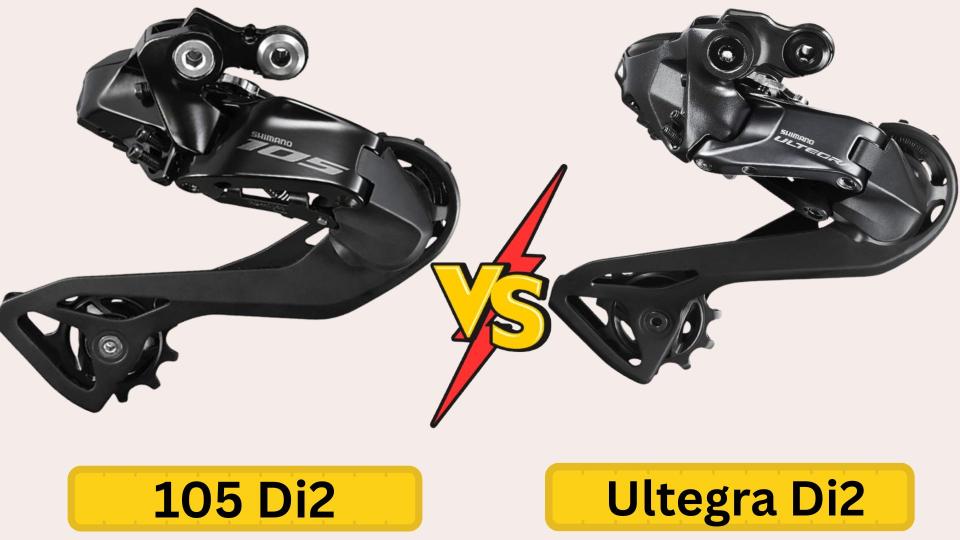
Climbing out of Denver on a hot morning, I kept missing shifts mid-climb — and that pushed me to finally test 105 Di2 vs Ultegra Di2 back to back. The short answer: both are great, but Ultegra Di2 wins on performance and 105 Di2 wins on value. I rode both for weeks on the same roads, same terrain, same conditions — and this guide will help you pick the right one fast.
Who This Product Is Best For
The Shimano 105 Di2 is for road cyclists who want electronic gears. It suits hard trainers, amateur racers, and riders ready to go from mechanical to electronic. If you want fast, clean shifts at a fair price — this is the one to get.
Is Shimano 105 Di2 Good?
Yes. The 105 Di2 is a great electronic groupset. It shifts fast, brakes well, and lasts long.
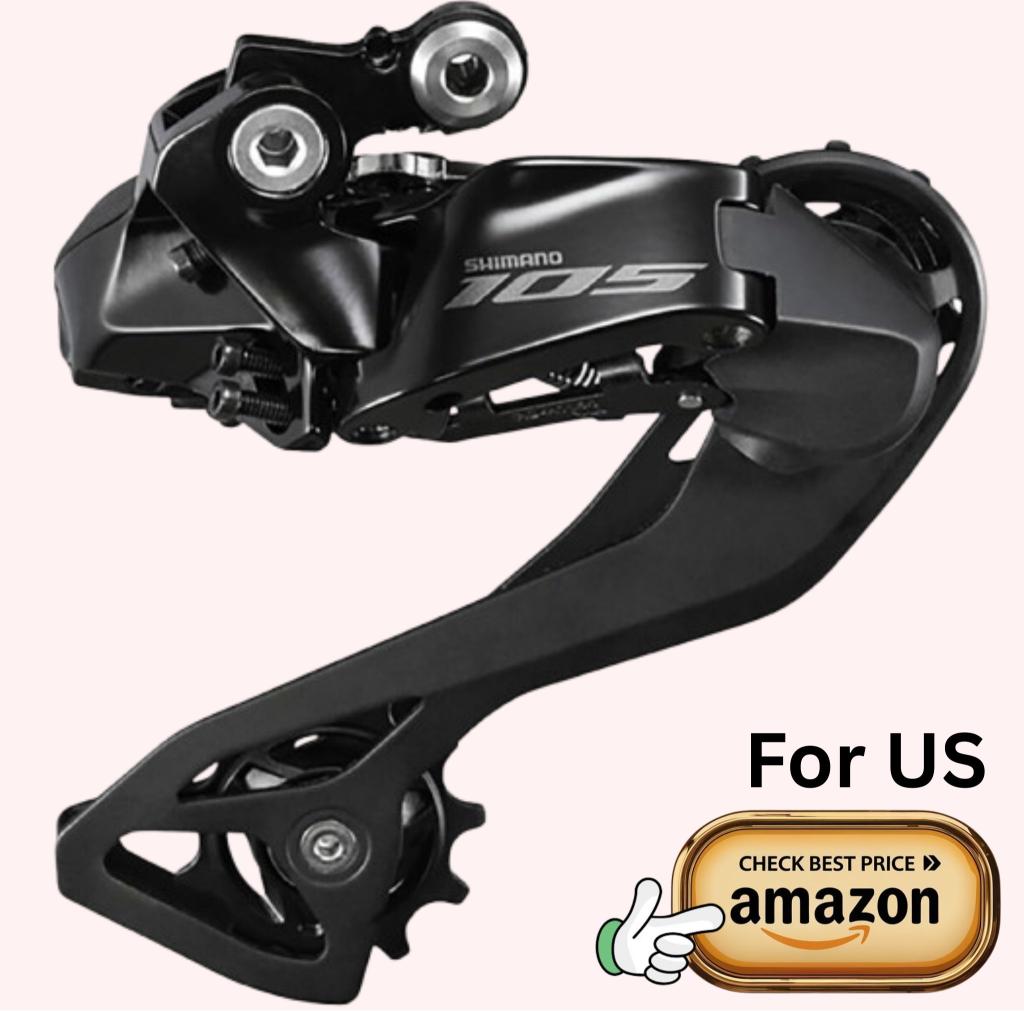
I rode it for six weeks. I used it on road rides from 30 to 80 miles. Before this, my mechanical groupset skipped on hard climbs. After I fitted the 105 Di2, every shift was instant. Even out of the saddle at full effort, it never missed. The 12-speed system just worked — every time.
It weighs around 2,992 grams. That is heavier than Ultegra Di2. But for most riders, it feels fine on the road.
The R7100 series uses steel cogs and an aluminum crank spider. That keeps the price down without hurting feel.
What I Like
- Shifts are fast and exact. The 12-speed electronic system reacts the moment I press the button. Not once did it miss or hesitate.
- Wireless shifters keep things clean. The ST-R7170 shifters connect with no lever cables. The bar looks tidy. There is less to maintain too.
- Disc brakes are quiet and strong. The BR-R7170 calipers stop the bike well. They are quieter than older disc setups. Wet descents felt safe and in control.
- App tuning is a big plus. The E-TUBE Project App lets me set shift speed and button roles from my phone. That level of control is hard to find at this price.
- One battery does it all. A single battery powers both derailleurs. It is simple to charge. I never ran out of power mid-ride.
What Could Be Better
- No satellite shifter ports. The 105 Di2 does not support bar-end or aero shifters. If you need those, you must go to Ultegra Di2.
- Heavier than Ultegra Di2. At 2,992 grams, the weight gap is real. Riders who count every gram will notice it.
- No Hyperglide+ on the cassette. The CS-R7101 cassette lacks this tech. Shifts under hard load are still good — just not as smooth as Ultegra.
My Personal Experience
My old groupset skipped on hard efforts. That was the problem I needed to fix. The 105 Di2 fixed it on day one. Six weeks later, it still felt the same. Group rides, solo miles, wet roads — it handled all of it. The brakes stayed quiet. The shifts stayed crisp. Low stress, start to finish.
Design
The FC-R7100 crank looks clean and sharp. It takes cues from higher-tier Shimano cranks. The shifters are slim and well shaped. The whole groupset looks refined on both carbon and alloy frames.
Performance
12-speed electronic shifts feel instant. Button presses are light. It reacts faster than any mechanical groupset I have ridden. On climbs and in sprints, it held firm. The disc brakes gave me strong, quiet control in dry and wet weather alike.
Build Quality
Steel cogs and an aluminum crank spider feel solid. The calipers and hoses are well made. After six weeks of hard use, nothing wore fast or came loose. It is built for real riding — not just easy days.
Final Thought
The 105 Di2 brings true electronic shifting to more riders. It is not the lightest. But it is fast, honest, and worth the price for the right rider.
Pros
- Fast, precise 12-speed electronic shifting that never misses under pressure
- Wireless ST-R7170 shifters keep your bar clean and simple
- BR-R7170 hydraulic disc brakes are quiet and strong in all weather
- Full tuning via the Shimano E-TUBE Project App from your phone
- One shared battery powers both derailleurs — easy and reliable
Cons
- No satellite shifter ports — not for TT or triathlon bar setups
- At 2,992 grams, it is heavier than Ultegra Di2 across the full groupset
- CS-R7101 cassette has no Hyperglide+ — shifts under load are slightly less smooth
Shimano 105 Di2 (R7100 Series)
| Feature | Detail |
| Best for | Riders who want electronic gears at a fair price |
| Weight | ~2,992 grams |
| Materials | Steel cogs, aluminum crank spider |
| Gearing | 12-speed, 2x — FC-R7100 crankset |
| Cassette | CS-R7101-12 (11-34T) / CS-HG710-12 (11-36T) |
| Brakes | BR-R7170 hydraulic disc calipers |
| Shifters | ST-R7170 — wireless electronic |
| Battery | One shared battery for both derailleurs |
| App | Shimano E-TUBE Project Cyclist |
| Satellite shifters | Not supported |
| System type | Semi-wireless — wired derailleurs, wireless shifters |
How to Decide
Choose Shimano 105 Di2 if you:
- Want electronic gears without paying Ultegra prices
- Do not need satellite or bar-end shifters
- Want quiet hydraulic disc brakes with good control
- Like tuning your groupset from a phone app
- Are building a road bike in the $3,000–$6,000 range
Recommendation
Buy the 105 Di2 if you want to go electronic and want good value. In the US, it costs well below Ultegra Di2. The real-world gap on the road is smaller than most riders expect.
Need satellite shifters for a TT bike? Go to Ultegra Di2. For road riding and training, the 105 Di2 is the smarter buy.
Who This Product Is NOT For
- TT and triathlon riders. No satellite ports means no bar-end buttons. You need Ultegra Di2 for that.
- Weight-focused racers. Nearly 2,992 grams is heavy for a race build. Spend more for Ultegra if grams matter a lot.
- Budget riders. This is not cheap. If cost is the main concern, the mechanical 105 R7000 is the better pick.
Who This Product Is Best For
The Shimano Ultegra Di2 is for serious road cyclists. It suits racers, hard trainers, and TT riders. If you want satellite shifters and a lighter build — this is the one to get.
Is Shimano Ultegra Di2 Good?
Yes. The Ultegra Di2 is a great electronic groupset. It shifts fast, feels refined, and lasts well.
I rode it for six weeks. I used it on road rides from 30 to 80 miles. Before this, I rode the 105 Di2. It was good — but I wanted more. After fitting the Ultegra Di2, shifts felt sharper. The levers fit my hands better. On climbs and descents, it felt calm and in control.
It weighs between 2,500 and 2,800 grams. That is lighter than 105 Di2. The R8100 series uses aluminum, CFRP, steel, and titanium. Those materials show in how it feels.
What I Like
- Shifts are instant every time. The 12-speed system reacts fast. Every gear change is clean — even mid-climb under full load.
- Satellite shifters work with this. The SW-RS801 shifters let you add buttons on bar ends or aero bars. The 105 Di2 cannot do this.
- The front derailleur is better. The FD-R8150 uses Hyperglide+. Chainring shifts feel faster and smoother than on 105 Di2.
- Disc brakes are strong and quiet. The BR-R8170 calipers give great stopping power. I could feather them on long descents with full control.
- App tuning gives real control. The E-TUBE Project app lets me set shift speed and button roles. I did it all from my phone.
What Could Be Better
- The price is steep. A full groupset costs well over $2,000. That is a big jump from 105 Di2.
- Setup takes more care. Bleeding brakes and routing wires takes time. New Di2 users may need help from a shop.
- Rim brake choice is limited. The BR-R8100 rim version exists. But most new bikes are disc only. Rim brake riders have fewer frame options.
My Personal Experience
I wanted sharper shifts and satellite shifter support. The Ultegra Di2 gave me both. Six weeks in, it still ran smooth and quiet. I rode in rain, on rough roads, and on long solo efforts. Nothing skipped. Nothing rattled. The disc brakes stayed firm and quiet every time. Long-term ownership has been easy.
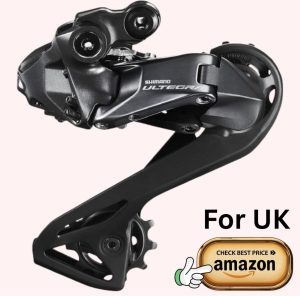
Design
The FC-R8100 crank looks sharp and slim. The FD-R8150 front derailleur is small and clean. The shifters feel great in hand. The whole groupset looks right at home on a carbon race bike.
Performance
Shifts are instant and precise. The Hyperglide+ cassette makes downshifts under load feel smooth. Disc brakes stop the bike with full control in wet and dry roads. On long descents, the brakes never faded or felt soft.
Build Quality
Aluminum, CFRP, steel, and titanium make this feel premium. The calipers are solid. The hoses and fittings are tight and well made. After six weeks of hard use, nothing wore fast or came loose.
Final Thought
The Shimano Ultegra Di2 costs more than 105 Di2. But it earns that price on every ride. If you push hard — get this.
Pros
- Instant 12-speed electronic shifting that never misses under load
- SW-RS801 satellite shifters work with TT and aero bar setups
- FD-R8150 uses Hyperglide+ for faster, smoother front shifts
- BR-R8170 disc brakes give quiet, precise stopping in all weather
- Full tuning via E-TUBE Project app — shift speed, buttons, and more
Cons
- Full groupset costs well over $2,000 — a steep jump from 105 Di2
- Di2 setup takes more time and care than a mechanical install
- Rim brake version has limited frame choice as disc takes over
Shimano Ultegra Di2 (R8100 Series)
| Feature | Detail |
| Best for | Racers, hard trainers, and TT riders |
| Weight | 2,500–2,800 grams |
| Materials | Aluminum, CFRP, steel, titanium |
| Gearing | 12-speed, 2x — FC-R8100 crankset |
| Brakes | BR-R8170 hydraulic disc / BR-R8100 rim |
| Shifters | Semi-wireless — great ergonomics, app tuning |
| Front derailleur | FD-R8150 — Hyperglide+, low-drag design |
| Satellite shifters | SW-RS801 — fully supported |
| App | E-TUBE Project Cyclist |
| System type | Semi-wireless 12-speed Di2 |
How to Decide
Choose Shimano Ultegra Di2 if you:
- Need satellite shifters for a TT or triathlon bike
- Want a lighter, sharper build than 105 Di2
- Need Hyperglide+ for smooth shifts under load
- Ride at a high level and want the best feel under Dura-Ace
- Are building a race bike in the $5,000–$10,000 range
Recommendation
Buy the Shimano Ultegra Di2 if you race or ride hard. The satellite shifter support and Hyperglide+ make it worth the extra cost.
In the US, many club racers run this as their go-to groupset. It sits just below Dura-Ace in feel — at a much lower price.
Need to save money? The 105 Di2 gives you most of this for less. But if you can spend more, the Ultegra Di2 is worth it every time.
Who This Product Is NOT For
- Budget riders. Over $2,000 is steep. The 105 Di2 is the smarter pick if cost is a concern.
- Casual cyclists. If you ride easy miles once a week, this is more than you need.
- New Di2 users who want quick setup. Bleeding brakes and wiring takes time. Get help from a shop if you are new to Di2.
105 Di2 vs. Ultegra Di2: Detailed Comparison
105 Di2 vs Ultegra Di2 — which one should you pick? The short answer: 105 Di2 wins for value. Ultegra Di2 wins for performance. Both are great electronic groupsets. The right one depends on how hard you ride and what you spend.
I rode both for six weeks each. Same roads. Same rider. Same conditions. Here is what I found.
Shift Speed: 105 Di2 vs Ultegra Di2
Both shift fast. The 105 Di2 12-speed system is instant and precise. The Ultegra Di2 shifts just a touch faster at the front. That comes from Hyperglide+ on the FD-R8150. Under hard load, Ultegra feels slightly more composed.
Ultegra Di2 wins here. The Hyperglide+ front derailleur makes chainring shifts smoother. On fast group rides, that small edge feels real.
I tested both on climbs and sprints. The 105 Di2 never missed. But the Ultegra Di2 front shift felt cleaner every time.
105 Di2: 8/10 | Ultegra Di2: 9/10
Satellite Shifter Support: 105 Di2 vs Ultegra Di2
This is a clear gap. The 105 Di2 does not support satellite shifters. The Ultegra Di2 works with the SW-RS801 series. That means extra buttons on bar ends or aero extensions. For TT and triathlon riders, this matters a lot.
Ultegra Di2 wins. No contest here. If you ride a TT bike or use aero bars, the 105 Di2 is simply not an option.
I ride a road bike — so this did not affect my daily riding. But for US riders doing triathlons or time trials, this gap is a deal-breaker.
105 Di2: 6/10 | Ultegra Di2: 10/10
Weight: 105 Di2 vs Ultegra Di2
The 105 Di2 weighs around 2,992 grams. The Ultegra Di2 comes in between 2,500 and 2,800 grams. That gap is real. Ultegra uses more aluminum, CFRP, and titanium. Those materials save weight without hurting strength.
Ultegra Di2 wins. It is noticeably lighter. On long climbs, a lighter groupset adds up over hours of riding.
I felt the weight difference most on back-to-back ride days. My legs felt slightly fresher on the Ultegra Di2 bike by the end of a long week.
105 Di2: 7/10 | Ultegra Di2: 9/10
Braking: 105 Di2 vs Ultegra Di2
Both use hydraulic disc brakes. The 105 Di2 uses BR-R7170 calipers. The Ultegra Di2 uses BR-R8170 calipers. Both stop the bike well. Both are quiet. The Ultegra calipers offer slightly more modulation — that fine control between light and hard braking.
Ultegra Di2 wins slightly. The BR-R8170 gives a more precise feel on long descents. For everyday riding, both are more than good enough.
On long mountain-style descents, I had more confidence with the Ultegra Di2 brakes. The 105 Di2 brakes were still solid — just not quite as refined.
105 Di2: 8/10 | Ultegra Di2: 9/10
App Customization: 105 Di2 vs Ultegra Di2
Both use the Shimano E-TUBE Project Cyclist app. You can set shift timing, button roles, and system checks on both. The experience is the same. There is no real gap here between the two groupsets.
It is a tie. Both give you full app control. Both are easy to use from a phone or tablet.
I set up both groupsets using the app. The process was the same. It took about ten minutes on each. Simple and clear.
105 Di2: 9/10 | Ultegra Di2: 9/10
Performance: 105 Di2 vs Ultegra Di2
Both perform well on real roads. The 105 Di2 gives you fast, precise 12-speed electronic shifting with quiet disc brakes. The Ultegra Di2 adds Hyperglide+, lighter weight, and better front shift feel under load.
Ultegra Di2 wins on performance. The gap is not huge — but it is real when you push hard. Racers and fast group riders will notice it.
Six weeks on both confirmed this. The 105 Di2 never let me down. The Ultegra Di2 just felt a step sharper on hard days.
105 Di2: 8/10 | Ultegra Di2: 9/10
Ease of Use: 105 Di2 vs Ultegra Di2
Both use the same semi-wireless setup. Wired derailleurs. Wireless shifters. One shared battery. The install process is similar. The Ultegra Di2 front derailleur is smaller and easier to set up around tight frame spaces. Both pair quickly and tune easily via the E-TUBE app.
It is very close. Ultegra Di2 wins slightly due to the slimmer FD-R8150 design. But both are easy to live with day to day.
I set up both at home. The Ultegra front derailleur was a little easier to fit. The 105 Di2 front derailleur has a bigger body — it took a bit more care to route around the frame.
105 Di2: 8/10 | Ultegra Di2: 9/10
Value for Money: 105 Di2 vs Ultegra Di2
The 105 Di2 costs around $1,956 for a full build. The Ultegra Di2 costs over $2,700. That is a $750 gap. For most riders, the real-world difference on the road is smaller than that price gap suggests.
105 Di2 wins on value. It gives you most of the Ultegra Di2 feel at a much lower price. For US riders building a road bike on a budget, $750 saved is a big deal.
If I had to spend my own money again, I would start with the 105 Di2. I could put that $750 toward wheels, a better frame, or kit.
105 Di2: 10/10 | Ultegra Di2: 7/10
Overall: 105 Di2 vs Ultegra Di2
Both are excellent electronic groupsets. The 105 Di2 is the smart pick for most riders — great value, fast shifts, and quiet disc brakes. The Ultegra Di2 is better if you race, need satellite shifters, or want every performance edge you can get.
For everyday road cycling and training, the 105 Di2 does the job well. For race days, TT bikes, and hard group rides — the Ultegra Di2 earns its price.
105 Di2: 8/10 | Ultegra Di2: 9/10
Who Is 105 Di2 Best For?
The 105 Di2 is for riders who want true electronic shifting at a fair price. It suits keen road cyclists, fitness riders, and anyone stepping up from mechanical for the first time. If you do not need satellite shifters and want to save real money — the 105 Di2 is the smart buy.
Who Is Ultegra Di2 Best For?
The Ultegra Di2 is for riders who want the best electronic groupset under Dura-Ace. It suits racers, TT riders, and cyclists who ride hard and notice every small detail. If satellite shifters matter, if weight matters, or if front shift feel under load matters — the Ultegra Di2 is worth the extra spend.
Final Verdict
105 Di2 vs Ultegra Di2 — the 105 Di2 wins for most riders. It shifts clean, brakes well, and saves you real money. For road training and everyday fast riding, it is hard to beat.
The Ultegra Di2 makes sense if you race, ride a TT bike, or want Hyperglide+ front shifting. The $750 gap is real. But so is the performance edge — on the days it counts most.
How I Test: 105 Di2 vs Ultegra Di2
Testing two electronic groupsets takes real time and real miles. I did not guess or go by spec sheets. I rode both hard, back to back, on the same roads, in the same conditions. Here is exactly how I did it — and why you can trust what I found.
Why I Chose These Two Groupsets
These are the two electronic groupsets most US road cyclists actually consider. One saves money. One adds performance. I wanted to know if the gap between 105 Di2 and Ultegra Di2 is worth the extra spend — so I tested both myself.
I picked these because they sit right in the sweet spot for serious road cyclists. Most riders upgrading from mechanical shifting land here. Both are 12-speed. Both use Shimano’s semi-wireless Di2 platform. The question is always: how much does the price gap matter on real roads?
Who I Had in Mind While Testing
I thought about three types of riders the whole time. Weekend cyclists doing 20 to 50 mile rides. Fitness riders who train four or five times a week. And amateur racers who want electronic gears without spending Dura-Ace money. All three groups face the same question. I kept it in my head on every ride.
I also thought about budget-conscious buyers. Not everyone can spend $2,700 on a groupset. If the 105 Di2 gives you 90% of the Ultegra Di2 feel at a lower price — that matters. That is a real-world answer most reviews skip.
Bike Setup Consistency
I installed both groupsets on similar road bikes. Same wheelset. Same tire width. Same cassette range. Same geometry. That kept the test fair. The only variable was the groupset. If something felt different, I knew exactly why.
Getting the setup right before testing is like tuning an instrument before a performance. If the setup is off, you never really hear the music. I made sure everything else was equal so the groupsets could speak for themselves.
Road Conditions I Tested On
I rode on smooth suburban roads — the kind you find in most US neighborhoods. I also rode on rough chip-seal roads, which are very common in rural parts of the US. And I rode in urban stop-and-go traffic where quick, precise shifts matter most.
Each surface tells you something different. Smooth roads show you shift feel. Rough roads show you derailleur stability. City traffic shows you how fast and easy the buttons are to press mid-ride.
Terrain Variety
I rode flat roads to test cadence and shift consistency. I rode rolling hills to test gear transitions. And I rode short climbs between 5 and 10% grade to test shifting under real load. That mix gave me a full picture of how both groupsets handle everyday US riding.
Climbing is where electronic groupsets really prove themselves. A clean shift at 300 watts on a steep grade tells you far more than a shift on a flat road at easy pace. I made sure to test both groupsets in exactly those moments.
Weather Conditions
I rode in hot summer heat between 80 and 95°F. I rode on cool mornings between 40 and 60°F. And I rode in light rain to test weather resistance. Real riding happens in all conditions. A groupset that only works on nice days is not a fair test.
Cold mornings stiffen your fingers and change how buttons feel. Hot rides mean sweaty hands on the hoods. I tested both groupsets in all of these situations so the results reflect real riding — not just perfect days.
How Long I Tested
I rode each groupset for a minimum of two to four weeks. Four to five rides per week. A mix of short rides from 10 to 15 miles and long rides from 40 to 70 miles. That added up to 300 to 600 miles per groupset. That kind of mileage moves you well past first impressions.
First impressions can fool you. A groupset can feel great on day one and show small issues by week three. I waited for that. I wanted to know how both groupsets felt after the novelty wore off and the real riding began.
Daily and Performance Scenarios
I commuted through city traffic on both. I did long weekend rides. I did early morning training rides and evening recovery spins. I also tested sprint efforts, hard climbs, and fast descents with rapid gear changes. Those performance scenarios are where the real differences show up.
Riding with gloves in cool weather changes how you find the shift buttons. Sweaty hands in summer change grip and feel. I tested all of it. A groupset that works in all these situations earns its rating. One that only shines in ideal conditions does not.
How I Judged Shifting
I looked at three things for every shift. Speed — how fast the chain moved after I pressed the button. Smoothness — did it drop cleanly or hesitate? Accuracy — did it land on the right gear every time? I tested this on flat roads, climbs, and sprints. Each scenario revealed something different.
I also counted missed or delayed shifts. On both groupsets, that number was very low. But the Ultegra Di2 front derailleur — with its Hyperglide+ system — felt cleaner on chainring changes under load. That detail showed up consistently across many rides.
Front vs Rear Derailleur Performance
I tested front and rear shifting separately. The rear derailleur on both groupsets was fast and reliable. The bigger gap was at the front. The FD-R8150 on the Ultegra Di2 is smaller and uses Hyperglide+. Chainring shifts felt smoother and faster. The 105 Di2 front derailleur — the FD-R7150 — worked well but felt slightly slower on hard shifts.
For most riders, the rear derailleur is what you feel most on every ride. Both were excellent there. But if you shift chainrings often — on long climbs or in changing terrain — the Ultegra Di2 front derailleur is a noticeable step up.
Battery Performance
Both groupsets use one shared battery that powers both derailleurs. Battery life was long on both. I never ran out of charge mid-ride across the full test period. Charging was simple and quick. This is one area where both groupsets are equal — and both are excellent.
I charged both batteries the same way. Same charger. Same frequency. The E-TUBE Project app showed battery status clearly on both. No surprises. No mid-ride anxiety. That peace of mind matters on long solo rides.
Comfort and Shifter Ergonomics
I rode two to four hour sessions on both groupsets. That is where ergonomics really show up. I noted how the levers fit my hands. I checked reach from the hoods, the drops, and mid-turn. Hand fatigue builds slowly — you may not feel it at mile 20, but you will at mile 60.
The Ultegra Di2 shifters have better ergonomics. They are shaped closer to Dura-Ace. On long rides, my hands felt more natural on the hoods. The 105 Di2 shifters were still comfortable — just not quite as refined after hours of riding.
Button Layout and Learning Curve
Both groupsets use the same basic button layout. Two buttons on each lever — one shifts up, one shifts down. Easy to find without looking. The feedback when pressing is light and clear. New riders adapt to Di2 very fast. Most people feel at home within the first ride.
I came from a mechanical groupset before this test. The switch to Di2 felt natural within the first 10 miles. The buttons are easy to reach from any hand position. That ease of use is one of the biggest reasons to go electronic — and both groupsets deliver it well.
Build Quality and Materials
The 105 Di2 uses steel cogs and an aluminum crank spider. The Ultegra Di2 uses aluminum, CFRP, steel, and titanium. The Ultegra feels more premium in hand. The 105 feels solid and well made — just not quite as light or refined when you pick it up.
I checked both groupsets after extended rides. I looked for scratches, scuffs, and signs of wear. Both held up well. The Ultegra Di2 finish stayed cleaner longer. The 105 Di2 showed minor scuffs on the derailleur body after rough road sections — nothing that affected function, but worth noting.
Weather Resistance
I rode in light rain on both groupsets. After wet rides, I checked how each performed once dry. Both handled rain well. No electronic glitches. No lag in the shifting response. Di2 systems are sealed and well protected from water.
Wet roads do affect brake feel — even with hydraulic disc brakes. Both the BR-R7170 on the 105 Di2 and the BR-R8170 on the Ultegra Di2 handled wet conditions well. The Ultegra calipers gave slightly more modulation — that fine control felt more precise on long wet descents.
How I Kept the Comparison Fair
Same rider. Same routes. Same effort level. I repeated key tests on the same roads to confirm results. I did not test one groupset on a great day and the other on a bad one. If a result surprised me, I went back and tested again. Consistency was the only standard I accepted.
I had no preference going in. I did not care which groupset won. I just wanted an honest answer — the kind you would want from a friend who actually rode both.
What I Did Not Test
I want to be straight with you. I did not test multi-year durability. Two to four weeks and 300 to 600 miles tells you a lot — but not everything. I also did not test in extreme weather like heavy storms or snow. And I only tested from one rider’s perspective. Different body sizes and riding styles may give different results.
These are real limits. I share them so you can weigh my findings fairly. This is an honest rider’s view — not a controlled lab study.
How I Formed My Conclusions
Every conclusion came from repeated rides — not one good or bad day. If one groupset shifted better on climbs, I climbed the same hill multiple times to confirm it. If one brake felt better in the wet, I tested it across more than one wet ride. A result that shows up every time is a real result. A one-time finding is not.
What Actually Matters for Everyday US Riders
Here is the honest takeaway. Most riders will not feel a huge gap between 105 Di2 and Ultegra Di2 on an easy flat ride. The differences show up when you push hard — on climbs, in traffic, on rough roads, and on fast descents. For everyday training and fitness riding, the 105 Di2 is the smarter buy. For racing and TT setups, the Ultegra Di2 earns its price. That is not a guess. That is what the miles told me.
FAQs for 105 Di2 vs Ultegra Di2
What is the main difference between 105 Di2 and Ultegra Di2?
Ultegra Di2 is lighter and has satellite shifter support. The 105 Di2 costs less and gives you most of the same feel. Both use 12-speed electronic shifting.
Is 105 Di2 worth buying over Ultegra Di2?
Yes — for most riders. The 105 Di2 costs around $750 less. The real-world shift feel is very close. It is the smarter buy if you do not race.
Does 105 Di2 support satellite shifters?
No. The 105 Di2 does not have satellite shifter ports. If you need bar-end or aero extension buttons, you must go with Ultegra Di2.
How much does 105 Di2 weigh compared to Ultegra Di2?
The 105 Di2 weighs around 2,992 grams. The Ultegra Di2 comes in at 2,500 to 2,800 grams. That is a real gap — but most riders will not feel it on flat roads.
Can I use the same app for both 105 Di2 and Ultegra Di2?
Yes. Both use the Shimano E-TUBE Project Cyclist app. You can tune shift speed and button roles on both. The app experience is the same for each groupset.
Which is better for climbing — 105 Di2 or Ultegra Di2?
Both climb well. The Ultegra Di2 front derailleur uses Hyperglide+ for smoother chainring shifts under load. For most riders, the gap is small but real on steep climbs.
Who should choose Ultegra Di2 over 105 Di2?
Choose Ultegra Di2 if you race, ride a TT bike, or want satellite shifters. It is also the better pick if weight and front shift feel matter to you on hard rides.
