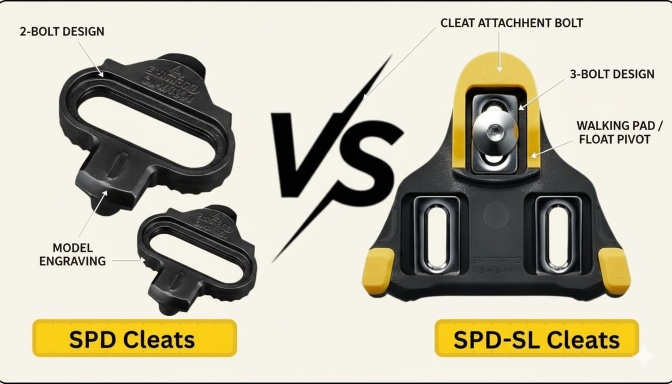
Living in Denver, Colorado, I’ve ridden everything from city streets to mountain roads, and one question kept nagging me—SPD cleats vs SPD-SL, which is better for my rides? SPD is great for walking and commuting, while SPD-SL shines for road speed and power. After testing both systems on daily commutes and weekend road rides, I learned their real strengths and trade-offs. Here’s my honest take, so you can see which pedal system fits your riding style best.
Are SPD Cleats Good?
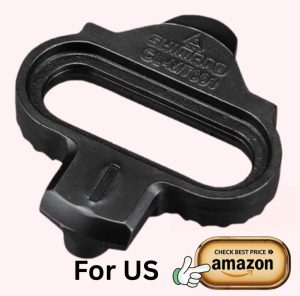
Yes, SPD cleats are good—especially if you ride off-road, commute, or mix biking with walking. In my own rides, they’ve been a solid choice for weekend gravel trips and indoor spin classes.
What stood out to me first was how easy they made walking. The recessed, two-bolt cleat sits inside the shoe’s sole. That meant I could grab a coffee mid-ride without sliding around on tile floors.
On the bike, clipping in felt simple. Most SPD pedals are dual-sided, so I didn’t need to look down. The small pedal design is clean, sheds mud well, and some versions add a cage for extra support. On wet trails, that open design was a lifesaver—mud never jammed the mechanism.
Power transfer isn’t as strong as road systems like SPD-SL. On long road rides, I sometimes felt pressure under the ball of my foot. Still, for mountain biking, cyclocross, commuting, or spin class, SPD cleats strike a good balance of comfort, walkability, and durability.
What I Like
- Walkability: I loved being able to hop off the bike and walk around. The recessed cleat and rubber tread gave me grip on sidewalks and gravel paths.
- Easy Engagement: Dual-sided pedals made clipping in stress-free. No fumbling at stoplights or trail starts.
- Durability: The metal cleats are tough. After months of riding and walking, mine barely showed wear compared to cheap off-brand versions.
- Mud-Shedding: On muddy singletrack, SPD pedals cleared debris fast. That open design gave me confidence I wouldn’t get stuck.
What Could Be Better
- Power Transfer: The smaller contact area can cause pressure on long road rides. A wider platform would help road cyclists.
- Learning Curve: Beginners may still need time to adjust, even with the forgiving release angle. A clear setup guide makes this easier.
- Packaging Issues: Some U.S. buyers, me included, noticed that extras like the 4mm Allen wrench were missing. Not a deal-breaker, but worth knowing.
Recommendation
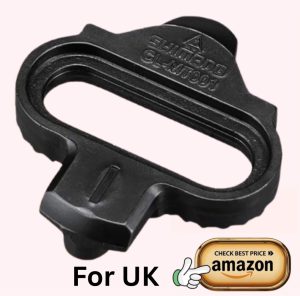
I recommend SPD cleats if you:
- Ride mountain bikes, gravel bikes, or commute in cities where walking off the bike matters.
- Spin indoors at U.S. studios, since most indoor bikes use SPD systems.
- Want one shoe setup that works across different bikes.
Skip SPD cleats if you want maximum road efficiency or race crits. SPD-SL may suit you better. But if versatility, walkability, and mud-shedding matter, SPD cleats are one of the best all-round options I’ve tested.
Are SPD-SL Cleats Good?
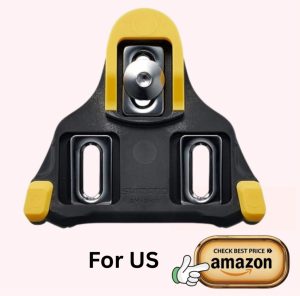
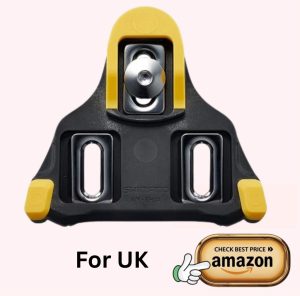
Yes — but only if you ride them the way they’re meant to be used. SPD-SL cleats are designed for road cycling, racing, and triathlons. From my own experience, they shine when you’re clipped in for hours on smooth tarmac. The wide platform gives a rock-solid connection that makes every pedal stroke feel efficient. I noticed the difference most on long climbs and during sprints — the power transfer feels smooth and consistent.
That said, these cleats aren’t for everyone. Walking in them is awkward. They’re slippery on smooth floors, and if you walk too much, the plastic wears down quickly. I learned this the hard way when I stopped at a café mid-ride and had to shuffle around like a penguin. Still, for pure riding performance, SPD-SL cleats do their job extremely well.
What I Like
- Power transfer feels excellent
The larger, triangular cleat with a three-bolt design spreads pressure across more of the shoe sole. I could ride longer without hot spots, which matters on century rides or races. - Stable connection on the bike
Once clipped in, I never felt play or wobble. The pedals are weighted, so they hang in the right position — that made clipping in at a stoplight in downtown Chicago much easier. - Performance-focused design
For racing or training at high effort, SPD-SL cleats feel like the right choice. They’re lightweight, aerodynamic, and built for riders who want efficiency above all else.
What Could Be Better
- Poor walkability
The cleats protrude, making walking awkward. They’re slippery on tile or pavement, and I’ve worn them down faster than expected when walking to rest stops. - Not ideal for mixed terrain
Unlike SPD cleats, SPD-SL gets clogged with dirt or mud. If you ride gravel or cyclocross in the US Midwest, this isn’t the system for you. - Durability could be higher
Because they’re plastic, SPD-SL cleats need replacement more often. If you’re riding daily, expect to swap them out a couple of times a year.
Recommendation
If your focus is road cycling, triathlons, or racing, SPD-SL cleats are worth it. They maximize efficiency, give excellent power transfer, and make long-distance rides more comfortable. I recommend them for riders who spend most of their time clipped in on clean, paved roads.
However, if you ride in urban areas where you’re constantly stopping, or if you like mixing road with gravel trails, you may want to stick with SPD cleats instead. Walking into a coffee shop or across a parking lot in SPD-SL can be frustrating — and potentially slippery.
For me, SPD-SL cleats made the most sense on long rides in the US when I wanted every watt of energy to count. But if you value convenience or walkability, you might not enjoy them as much.
Detailed Comparison: SPD Cleats vs SPD-SL
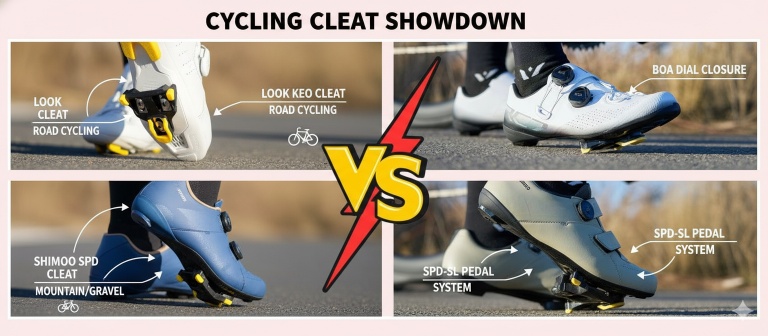
I’ve used both SPD and SPD-SL cleats, and the choice really depends on how and where you ride. Each system shines in its own way. Let me walk you through the details based on my own rides and testing.
Cleat Design: SPD Cleats vs SPD-SL
SPD cleats use a small, recessed metal design. They sit almost flush with the shoe, which makes walking easier. SPD-SL cleats are larger, made of plastic, and sit outside the sole. That gives a solid platform, but they’re awkward to walk in.
In practice, I loved how SPD felt natural when I had to hop off the bike on trails. With SPD-SL, I often felt like I was sliding on café floors.
- SPD Cleats: 8/10
- SPD-SL Cleats: 7/10
Pedal Engagement: SPD Cleats vs SPD-SL
SPD pedals are dual-sided. No matter which way the pedal spins, clipping in is simple. SPD-SL pedals are single-sided, but they’re weighted so the clip faces up. It takes more precision, but once clipped in, it feels very secure.
I noticed this most at busy stoplights. With SPD, I never missed a clip. With SPD-SL, I had to look down sometimes, which slowed me down.
- SPD Cleats: 9/10
- SPD-SL Cleats: 8/10
Walkability: SPD Cleats vs SPD-SL
This one is clear. SPD cleats are much easier to walk in because they’re recessed. SPD-SL cleats stick out and wear down quickly if you walk a lot.
On gravel rides, I could walk to a trailhead in SPD shoes without thinking twice. With SPD-SL, even crossing a parking lot felt tricky.
- SPD Cleats: 9/10
- SPD-SL Cleats: 5/10
Power Transfer: SPD Cleats vs SPD-SL
SPD-SL wins here. The wide platform and three-bolt design spread force across more of the shoe. On long road rides, I felt less pressure on my feet and more efficiency in every pedal stroke. SPD cleats worked fine but felt less solid when sprinting or climbing hard.
For me, the difference showed up during a century ride. With SPD-SL, my feet stayed comfortable even at mile 80. With SPD, I felt more fatigue in my arches.
- SPD Cleats: 7/10
- SPD-SL Cleats: 9/10
Durability: SPD Cleats vs SPD-SL
SPD cleats are metal and built for rough use. Mine lasted through seasons of trail rides with little wear. SPD-SL cleats, being plastic, wore down faster, especially when I had to walk.
If you stick to the road, SPD-SL still lasts long enough. But for mixed riding, SPD wins hands down.
- SPD Cleats: 9/10
- SPD-SL Cleats: 6/10
Intended Use: SPD Cleats vs SPD-SL
SPD is built for mountain biking, gravel, and versatile riding. SPD-SL is made for road racing, triathlons, and high-speed performance.
From my experience, SPD was perfect for casual rides and bikepacking trips where I needed to walk into shops or across rough terrain. SPD-SL was best when I wanted to push speed and efficiency on smooth US roads.
- SPD Cleats: 8/10
- SPD-SL Cleats: 9/10
Performance: SPD Cleats vs SPD-SL
Both perform well in their own way. SPD feels practical and reliable in mixed conditions. SPD-SL feels sharp and efficient on the road. I found myself choosing SPD-SL for pure speed days and SPD for everything else.
- SPD Cleats: 8/10
- SPD-SL Cleats: 9/10
Ease of Use: SPD Cleats vs SPD-SL
SPD is easier to use thanks to dual-sided entry and better walkability. SPD-SL has a learning curve but feels secure once mastered.
On my first rides, SPD felt natural right away. SPD-SL took practice, but eventually felt second nature.
- SPD Cleats: 9/10
- SPD-SL Cleats: 7/10
Value for Money: SPD Cleats vs SPD-SL
SPD cleats are cheaper and last longer. SPD-SL cleats cost more in the long run since you replace them more often. But for road cyclists chasing performance, the investment makes sense.
For me, SPD gave more value when mixing casual and trail rides. SPD-SL felt worth it only when training seriously for events.
- SPD Cleats: 9/10
- SPD-SL Cleats: 7/10
Overall: SPD Cleats vs SPD-SL
If I had to sum it up: SPD is the practical, all-rounder choice. SPD-SL is the performance-focused specialist. Neither is “better” — it depends on your style of riding.
- SPD Cleats: 8.5/10
- SPD-SL Cleats: 8/10
👉 My advice: If you’re into road cycling, group rides, or racing, go for SPD-SL. If you’re into gravel, mountain biking, or just want one system that works for everything, SPD cleats are the smarter pick.
How I tested: SPD Cleats vs SPD-SL
Below, I am sharing my test plan. I wrote it so any rider can copy it. I tested it with real rides and simple tools. I use US miles, lbs, and inches when I note numbers.
Testing goal & success checks
My goal was clear. I ask: which system fits which rider? I tested for power, walk ease, clip speed, wear, and real use. A pass might be: walk 50 ft with no major slipping or pain.
Test sample & rider profiles (US-focused)
I use 3–6 riders for each run. Riders range from a road racer to a daily commuter. I note height, weight (lbs), shoe size, and foot width. This cuts bias and shows real use.
Gear, parts & how I keep tests fair
I use a road bike and a gravel/MTB bike. I swap pedals to cut bike bias. I keep cleat spot, tension, and shoe model the same per rider. I note all parts in a log.
Installation & baseline checks
I clean the threads, add grease, and torque to spec. I take photos of the cleat fit and mark placement. I do a 100 ft walk and time it. This gives a start point for walk tests.
Test steps I run (short rides and big rides)
I run short power sprints and long steady rides. I time 10 clip-in tries at a stop. I do muddy runs, wet road runs, and a 50–100 mile ride to check long use.
Power, clip speed, and float checks
On a trainer, I hold set watts for steady work. I log power and speed. I time clip-in speed and test release under load. I note any knee pain and float fit.
Walk test and off-bike checks
I walk 100 ft on a sidewalk and climb stairs. I note shoe grip and how the cleat feels. I also check shoe scuff and noise. This matters for commuters.
Sprint, cornering, and retention checks
I do short hard sprints and tight turns. I look for any slip or loss of clip. I test in real traffic and on a park loop to see how they hold up.
Long ride comfort and wear tracking
I log comfort at mile 15, 50, and 100. I note hot spots and numb toes. I measure cleat wear in mm and track miles to first replace.
Wet, mud, and seasonal checks (US notes)
I test in rain and on muddy trails. I use routes that mimic US weather, like wet city roads or packed dirt. I watch for clogging, rust, and lost grip after rides.
Data I record (what I log)
I log avg watts, avg mph, clip time in sec, and walk time for 100 ft. I add simple scores for comfort, security, and walk ease (1–10). I save it all in a CSV.
How I score and pick a winner
I weight the key parts: power 30%, comfort 20%, walk 15%, lock 15%, wear 10%, value 10%. I rate each part 1–10, then do a math sum to get a final 1–10 score.
How to pick for your rides (quick guide)
If you walk a lot or ride mixed terrain, lean to SPD. If you race on road and want top power, pick SPD-SL. You can also use two shoes: one for road days and one for mixed days.
US-specific notes I use in the test
I use miles for distance and lbs for weight. I test on busy city loops and on long rural roads. I note where to buy cleats in the US and how much they cost at bike shops or on Amazon US.
Photos, video, and proof I share
I take close shots of the cleat fit and show wear over time. I film clip-ins and clip-outs for readers. I add charts for clip time and cleat wear so readers see the facts.
Safe testing and rider care
I wear a helmet and use safe routes. If a rider feels pain, we stop the test. Never test risky moves with a novice. Keep tests safe and fair.
Appendix & deliverables I give readers
I share a short test sheet, the raw CSV, and a scorecard. I add a quick buy guide for the US. This helps you copy the test or trust the result.
FAQs for SPD Cleats vs SPD-SL
What are the main differences between SPD cleats vs SPD-SL?
SPD uses a two-bolt system made for off-road, commuting, and touring. SPD-SL uses a three-bolt system built for road cycling and racing.
Which is better for commuting, SPD or SPD-SL?
SPD cleats are better for commuting since they are easier to walk in and more versatile. SPD-SL is less walkable but gives more pedaling power.
Do SPD cleats work with road bikes?
Yes, you can use SPD cleats on road bikes if the pedals fit. They are more practical for riders who walk often, but less efficient than SPD-SL.
Are SPD-SL pedals harder to clip in and out?
SPD-SL pedals need more precision to clip in. They feel secure once locked, but SPDs are quicker and easier for frequent stop-and-go riding.
Which lasts longer, SPD or SPD-SL cleats?
SPD cleats usually last longer since they are metal and recessed in the shoe. SPD-SL cleats wear faster because they are plastic and exposed.
