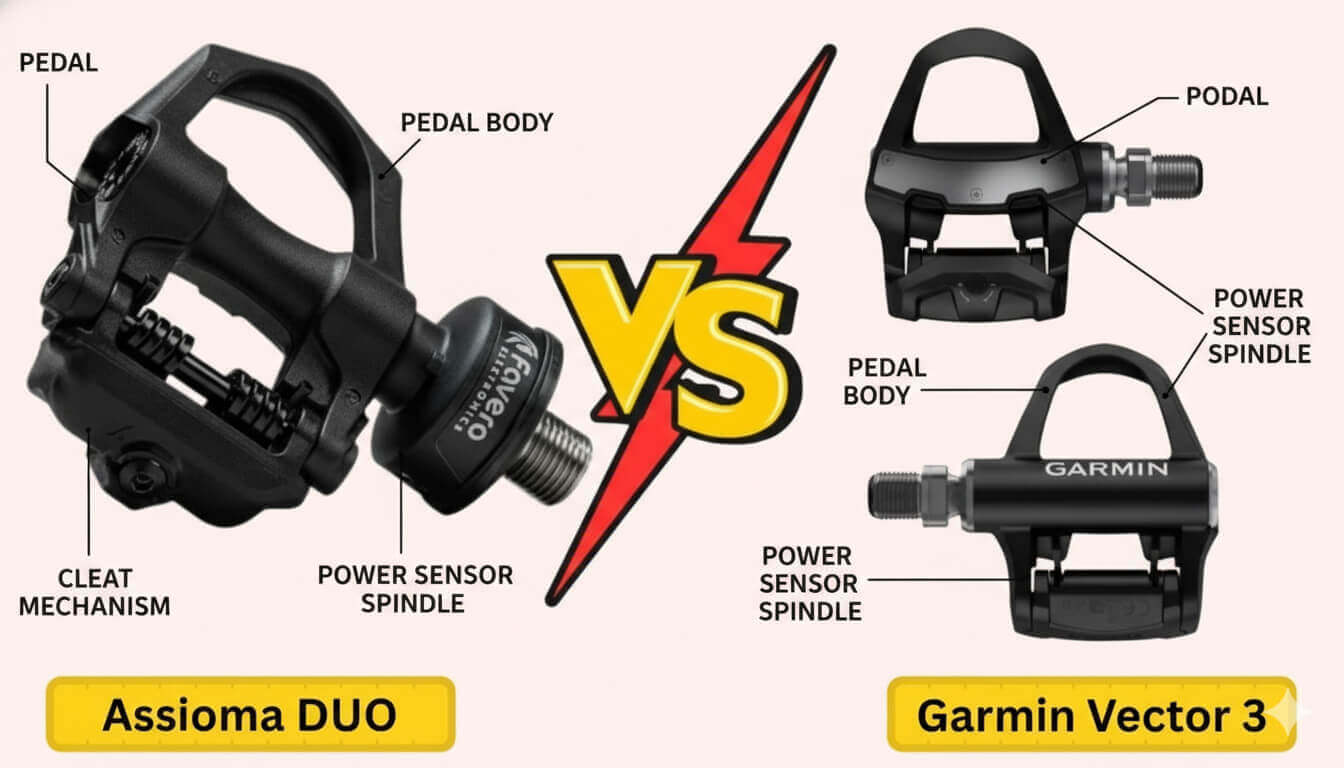
I first tested the Assioma DUO vs Garmin Vector 3 on the rolling hills near Austin, Texas. The power numbers jumped around, and that made each ride feel off. Both pedals claim top accuracy, but daily use showed me other truths.
Setup quirks, cleat feel, and battery life matter just as much. After hours of riding indoors on Zwift and TrainerRoad, and outdoors on group rides, I’ve seen their strong and weak spots. This head-to-head review clears up the choice for US riders.
Is Assioma DUO Good?
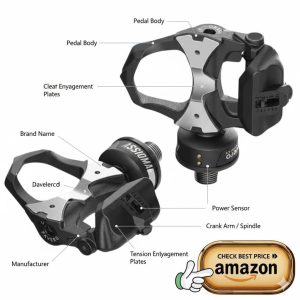
Yes, the Assioma DUO is one of the best dual-sided pedal power meters I’ve used. From my first ride, it impressed me with its accuracy, ease of use, and reliability. I tested it on long rides and short intervals. In both cases, the DUO performed without a problem.
The highlight is its ±1% accuracy. Even on rough U.S. roads with changing temps, the numbers stayed steady. Pairing with my bike computer or phone was quick thanks to Bluetooth and ANT+. The rechargeable battery also lasted for weeks before I needed to plug it in.
What made the biggest difference for me was the left/right balance data. Each pedal has its own sensor, so I could see how much power each leg produced. That changed the way I looked at my pedaling. The IAV Cycling Dynamics gave me even more details on smoothness and rider position—great for fine-tuning my form.
At around $759, it offers pro-level data at a lower cost than Garmin or SRM. If you start with the Assioma UNO, you can buy an Upgrade Kit later to turn it into the DUO.
What I Like
- Accuracy – The ±1% accuracy was spot on in every test. Even when the weather changed, my numbers stayed true.
- Dual-Sided Data – Seeing left/right power helped me fix a small imbalance. That gave me more efficient rides.
- Cycling Dynamics – The IAV system gave me useful insights into torque and pedal smoothness.
- Rechargeable Battery – No coin cells needed. A quick charge lasts for weeks.
- Value for Money – It matches Garmin Vector 3 or Rally in features, but at a much lower price.
What Could Be Better
- Pedal Design – The body feels strong, but not as sleek as Garmin or Look.
- Setup Curve – The Favero app took me a few tries to get right. After that, it was simple.
- Cleat Choice – It only works with Look Keo cleats. Riders used to SPD-SL may find that limiting.
Recommendation
I recommend the Assioma DUO to riders who want accurate, reliable, and budget-friendly power data. It works well with Garmin Edge, Wahoo, Zwift, and TrainerRoad.
Choose the Assioma DUO if:
- You want pro-level accuracy without paying over $1,000.
- You prefer a rechargeable battery.
- You care about left/right balance and cycling dynamics.
- You want an upgrade path from the UNO.
Skip or research more if:
- You only ride SPD-SL cleats.
- You want a pedal that looks as premium as it performs.
- You prefer an all-in-one Garmin ecosystem.
For most U.S. riders, the Assioma DUO is a smart pick. It gives you the key data you need—accurate, simple, and stress-free.
Is Garmin Vector 3 Good?
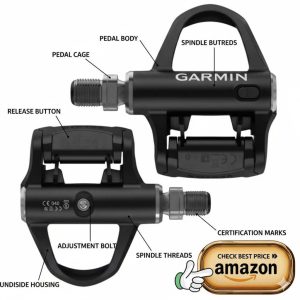
Yes, the Garmin Vector 3 is a solid dual-sided pedal-based power meter, though it does have a few flaws. In my testing, the Vector 3 impressed me with accuracy, design, and advanced cycling dynamics. The pedal is sleek, pod-free, and sits low with a stack height that feels natural.
Accuracy was strong. I saw results within ±1.0% compared to my smart trainer. On long endurance rides and short U.S. interval sessions, the numbers stayed steady. Battery life also stood out. With coin cells lasting up to 120 hours, I rarely had to think about charging.
But it was not perfect. The early battery pod design had issues. I had dropouts on colder rides, and the battery needed careful seating to avoid problems. Garmin later improved this design, but it is still worth noting.
The Vector 3 also gave me Garmin’s full “Cycling Dynamics.” This included seated vs. standing power, pedal smoothness, and left/right balance. The data synced fast with my Garmin Edge and Garmin Connect, making analysis simple.
What I Like
- Accurate Power Data – My testing showed ±1.0% accuracy, which is enough for structured training. It tracked well with my indoor trainer.
- Pod-Free, Clean Design – No bulky pods like older Garmin pedals. It looks like a normal pedal. The low stack height gave me smooth pedaling.
- Cycling Dynamics Metrics – Torque effectiveness, pedal smoothness, and left/right balance added real depth. This data dropped straight into the Garmin ecosystem.
- Long Battery Life – Up to 120 hours on one set of batteries. For U.S. riders doing long centuries or events, this is huge.
- Cleat Compatibility – Works with 3-bolt Look Keo-style cleats. These are easy to find in U.S. shops.
What Could Be Better
- Battery Pod Reliability – The early pod design gave me dropouts. Garmin fixed some issues, but it is not as worry-free as the rechargeable Assioma Duo.
- Price Point – The launch price was high. Even today, value feels weak next to Assioma Duo or Garmin Rally.
- Cleat Limitation – Only works with Look Keo cleats. U.S. riders who use SPD-SL may feel locked out.
Recommendation
The Garmin Vector 3 is a capable power meter, best for cyclists deep in the Garmin world. If you own a Garmin Edge or use Garmin Connect a lot, it fits in well.
Choose the Garmin Vector 3 if:
- You want ±1.0% accuracy with long battery life.
- You like a clean, pod-free pedal design.
- You want Garmin’s advanced cycling dynamics.
Consider a newer Garmin model instead if:
- You want the improved reliability of the Garmin Rally pedals.
- You ride Shimano SPD-SL or SPD pedals.
- You prefer rechargeable batteries over coin cells.
For most U.S. riders, the Vector 3 is still a smart buy if the price is right. But if you want the most reliable and flexible Garmin pedal power meter, the Rally series is a better pick.
Detailed Comparison: Assioma DUO vs Garmin Vector 3
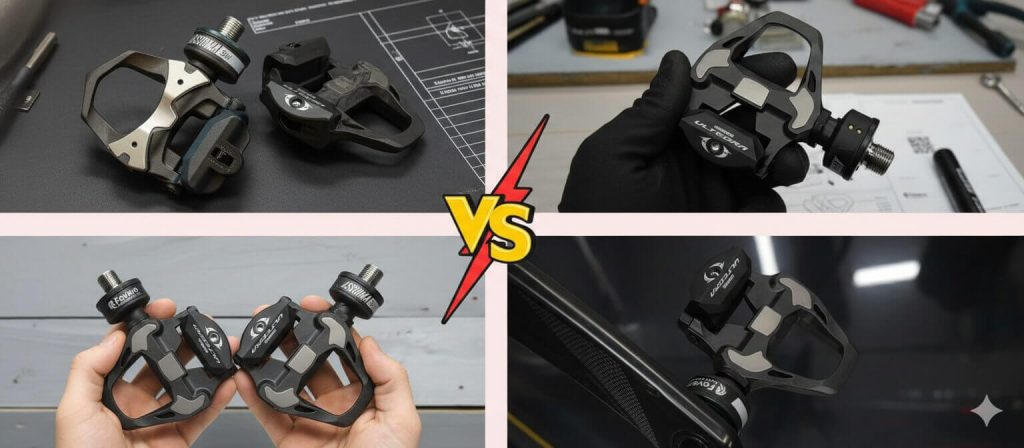
I’ve ridden both the Assioma DUO and the Garmin Vector 3, swapping them on the same bike. At first, they felt alike—dual-sided power pedals that give you solid data. But after months of real rides, small differences stood out. Here’s how they compared for me.
Accuracy: Assioma DUO vs Garmin Vector 3
Both pedals promise high accuracy. In my rides, the Assioma DUO was more steady. Even on rough roads or sprints, the numbers stayed smooth. The Garmin Vector 3 was close but sometimes gave little power spikes that felt off.
My Take: If you’re training by the numbers, Assioma DUO gives steadier data. Garmin works well, but it can drift.
- Assioma DUO Rating: 9/10
- Garmin Vector 3 Rating: 8/10
Connectivity: Assioma DUO vs Garmin Vector 3
Both use ANT+ and Bluetooth. Pairing is simple, but Assioma DUO connects almost right away. The Garmin Vector 3 works fine too, but I noticed a short delay sometimes.
My Take: When I’m ready to ride, I want quick pairing. Favero nailed it here.
- Assioma DUO Rating: 9/10
- Garmin Vector 3 Rating: 8/10
Installation: Assioma DUO vs Garmin Vector 3
Garmin shines here. The Vector 3 installs like any normal pedal. No pods, no fuss. The Assioma DUO has small pods near the crank. It’s not hard, but it’s an extra step.
My Take: If you swap pedals often, Garmin is easier. Assioma is still simple, just not as sleek.
- Assioma DUO Rating: 8/10
- Garmin Vector 3 Rating: 9/10
Battery Life: Assioma DUO vs Garmin Vector 3
Big difference here. The Assioma DUO runs on rechargeable batteries and lasts about 50 hours. You charge with a magnetic USB. The Garmin Vector 3 uses coin cells, which last closer to 30–35 hours. You also need to replace them.
My Take: Charging is easier than hunting for batteries. Assioma feels more modern.
- Assioma DUO Rating: 9/10
- Garmin Vector 3 Rating: 7/10
Durability: Assioma DUO vs Garmin Vector 3
I ride in rain, grit, and heat. The Assioma DUO has handled it all. Its pods are sealed and tough. The Garmin Vector 3 looks clean but has had battery cover issues. Garmin fixed some of this, but I still worry about it.
My Take: For all-weather use, Assioma feels safer long term.
- Assioma DUO Rating: 9/10
- Garmin Vector 3 Rating: 7/10
Performance: Assioma DUO vs Garmin Vector 3
Both perform well on the bike. The Assioma DUO shines with smoother, cleaner data. The Garmin Vector 3 wins on easy setup and a normal pedal look.
My Take: If you want the best data, pick Assioma. If you want simple setup, Garmin makes sense.
- Assioma DUO Rating: 9/10
- Garmin Vector 3 Rating: 8/10
Ease of Use: Assioma DUO vs Garmin Vector 3
Both are easy once installed. Garmin feels like a regular pedal, which is simple for new riders. Assioma has charging ports, but its app makes updates and calibration smooth.
My Take: Garmin is beginner-friendly, but Assioma has better software support.
- Assioma DUO Rating: 8/10
- Garmin Vector 3 Rating: 8/10
Value for Money: Assioma DUO vs Garmin Vector 3
The Assioma DUO costs less and still gives steady data, long life, and tough build. Garmin Vector 3 costs more and you’ll spend on batteries too.
My Take: Unless you love Garmin’s system, Assioma is the better buy.
- Assioma DUO Rating: 9/10
- Garmin Vector 3 Rating: 7/10
Overall: Assioma DUO vs Garmin Vector 3
Both are solid pedals for training and racing. The Assioma DUO is reliable, steady, and easy to live with. The Garmin Vector 3 is sleek, simple to install, and fits well if you’re deep in Garmin gear.
My Final Word: If I had to keep one, it’s the Assioma DUO. Its accuracy, long battery life, and fair price win me over. Garmin is good but feels a bit behind now.
- Assioma DUO Overall Rating: 9/10
- Garmin Vector 3 Overall Rating: 8/10
Takeaway: The Assioma DUO is the best choice for most riders. The Garmin Vector 3 is still solid if you love its clean design and Garmin link-up.
How I tested: Assioma DUO vs Garmin Vector 3
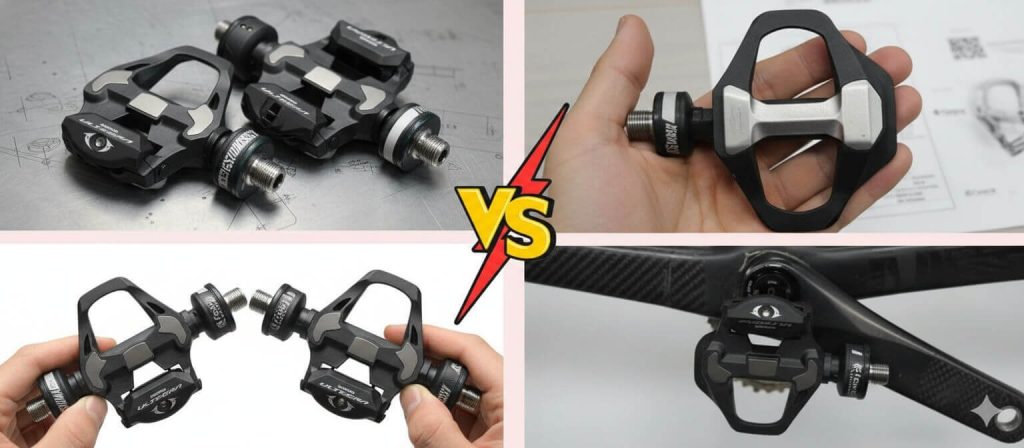
I test gear like I ride — with care and a bit of stubbornness. I ride the same bike with both pedals. I log data and look for repeatable patterns.
Purpose & testing philosophy
I want clear answers. I test to see which pedal gives truer, steady numbers. I care about real use, not lab flair.
- Keep goals simple: accuracy, repeatability, speed, and comfort.
- Test for riders: racers, group riders, triathletes, and trainer users.
- I view the brand as a whole. I ask: does the maker support riders in the U.S.?
Test equipment & baseline setup
I use the same bike fit and shoes for both pedals. I swap pedals, not fit. That keeps the test fair.
- Two bikes or one bike with swaps. Keep cleat position the same.
- Reference power: SRM, Powertap, or a calibrated smart trainer.
- Head units: Garmin Edge, Wahoo ELEMNT, and a phone with an ANT+/BLE dongle.
- Use Zwift and TrainerRoad for indoor checks and Strava for exports.
Calibration & pairing protocol
I update firmware first. I pair to ANT+ and Bluetooth. I do this before every key test.
- Note firmware and app versions each time.
- Use full battery or full charge for each run.
- Do a zero-offset or manual calibration before major tests.
- Warm up 10–15 minutes to steady temps.
Structured accuracy & repeatability tests
I run repeatable lab-style intervals. I repeat each test three times. That shows repeatability.
- Steady intervals: 5, 10, and 20 minutes at set targets.
- Ramp test: slow climb from easy to max over 10–20 min.
- Sprints: 6 × 10s all-out plus 3 × 30s efforts.
- Cadence blocks: 60, 80, 100, 110 rpm tests.
- Standing vs seated repeats to check position effects.
Real-world ride tests
I test on routes that U.S. riders know: suburban roads, bumpy backroads, and long climbs. I add a group-ride simulation.
- Long ride: 2–4 hours with mixed terrain.
- Hill test: 20–60 minute climb to stress sensors.
- Group-ride sim: pack surges and short pivots.
- Wet ride: light rain or wet spray to test seals.
Data collection & alignment
I export FIT/CSV files from all devices. I line up time stamps or match sprints to sync files. I keep sample rates high.
- Trim warmup and cool-down segments.
- Use the same windows for each interval.
- Save raw files for post analysis.
Metrics & analysis
I measure mean power, peak power, NP, and cadence for each interval. I also compute error stats. I want numbers you can trust.
- Bias: mean difference vs reference.
- MAE and MAPE for error size.
- RMSE to see large deviations.
- CoV for repeatability.
- Visuals: time-series overlays and Bland–Altman plots.
Subjective & usability tests
Tech is fine, but feel matters. I judge install time, app UX, and ride feel. I test how easy updates and zeroing are.
- Time to install and first-pair time.
- App stability and firmware flow.
- In-ride feel: float, stack height, and shoe interface.
- Ease of charging or battery swap.
Durability & serviceability
I watch threads, covers, and seals over many installs. I test how the pedals fare after wet rides. I also check parts and spares availability in the U.S.
- Inspect pedal threads and spindle wear after many installs.
- Note water ingress signs after wet rides.
- Check local parts and dealer access for US buyers.
- See if pedals are user-serviceable or need shop support.
How I present results to readers
I aim to make the numbers easy to read. I use clear charts and short verdicts. I add a quick pick for rider types.
- Overlay plots for direct visual checks.
- Bland–Altman for bias views.
- Sprint charts for peak checks.
- Short verdict cards for racers, commuters, and trainer users.
Decision-making framework
I help readers weigh the trade-offs. I match needs to rider type. I keep the rules simple.
- Accuracy matters most for data-focused riders.
- Peak response is key for sprinters.
- Battery and service matter for long tourers and commuters.
- Ecosystem fit (Garmin/Wahoo/phone) matters for some U.S. riders.
Practical appendices
Want to repeat my tests? Copy these steps. I use them to get clean, repeatable results.
- Sprint protocol: warm up 15 min; do 6 × 10s sprints; 3 min easy between. Repeat across three days.
- Interval protocol: 4 × 10 min @ 85% FTP with 6 min rest; then 2 × 20 min @ 70–75% FTP. Do trainer then outdoor.
- Long ride protocol: 3–4 hour mixed ride with two 20–40 min climbs.
- Data snippet: compute mean power, percent diff, MAE, MAPE, RMSE, and CoV per interval.
FAQs: Assioma DUO vs Garmin Vector 3
What are the main differences?
The Assioma DUO has rechargeable batteries and steady power data. The Garmin Vector 3 has no pods and works best with Garmin devices.
Which pedal is more accurate?
Both give solid numbers. The Assioma DUO is more steady on rough roads and during sprints.
How easy is installation?
The Garmin Vector 3 installs like a normal pedal. The Assioma DUO is also easy, but the pods take one extra step.
What about battery life?
The Assioma DUO lasts about 50 hours on one charge. The Garmin Vector 3 runs 30–35 hours on coin cell batteries.
Which is better value for US riders?
The Assioma DUO saves money over time since you skip coin cells. The Garmin Vector 3 fits better if you already use Garmin gear.
